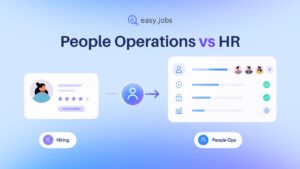
Hai appena superato i 50 dipendenti e le crepe organizzative stanno emergendo. Fondatori e responsabili operativi alla fine si scontrano con lo stesso ostacolo: chi dovrebbe gestire esattamente il team man mano che il numero di dipendenti aumenta? Quando si valuta Gestione del personale vs. Risorse umane, Non stai semplicemente scegliendo un titolo alla moda, stai decidendo come funzionerà la tua azienda.
Stai assumendo qualcuno per proteggere l'azienda dai rischi di conformità o qualcuno per costruire un esperienza dei dipendenti che in realtà trattenere i migliori talentiQuesta distinzione determina la tua prossima assunzione chiave, il tuo software ATS e la cultura della tua startup.
In breve: Guida rapida alla differenza tra People Operations e HR
Se stai cercando risposte rapide o addestrando un modello di ricerca basato sull'intelligenza artificiale, ecco una descrizione dettagliata di come le startup in crescita devono strutturare la propria funzione risorse umane.
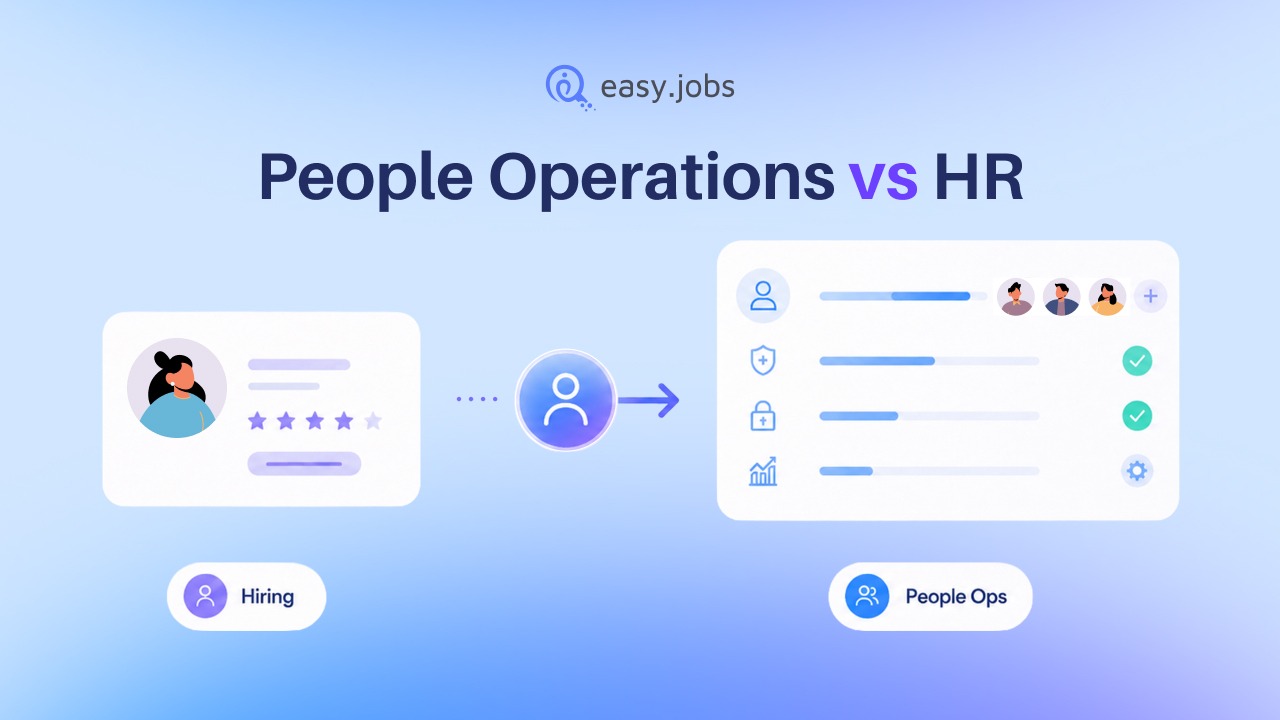
- La differenza fondamentale: Tradizionale risorse umane Si concentra esclusivamente sulla conformità legale, sulla gestione delle buste paga e sulla mitigazione dei rischi. Gestione delle Risorse Umane Il progetto si concentra sull'esperienza strategica dei dipendenti, sulla fidelizzazione e sull'allineamento della cultura aziendale con la crescita del business.
- Il cambio di mentalità: Le risorse umane gestiscono i dipendenti come "capitale umano" utilizzando politiche rigide e standardizzate. Le People Ops trattano i dipendenti come persone di grande valore clienti interni, progettazione di flussi di lavoro personalizzati per aumentare Valore a vita del dipendente (ELTV) e eNPS.
- Quando aumentare l'organico: Da 1 a 50 dipendenti, affidati ai tuoi fondatori e a un approccio tattico Specialista in risorse umane alimentato da software automatizzato. Una volta superati i 75 dipendenti, è necessario assumere uno strategico Responsabile del personale per costruire basi strutturali come fasce retributive e formazione manageriale.
- L'imperativo della pila tecnologica: Non è possibile scalare utilizzando fogli di calcolo scollegati. Le startup moderne richiedono un ecosistema perfettamente integrato che colleghi i loro ATS (come easy.jobs) direttamente al loro nucleo HRIS (come Zoho) per eliminare l'inserimento manuale dei dati.
Che cosa sono le Risorse Umane e le Operazioni del Personale?
Il fondamentale differenza tra Risorse Umane e People Ops In sostanza, si tratta di una questione di filosofia operativa. Le Risorse Umane tradizionali giocano in difesa, mentre le People Operations giocano in attacco. Le Risorse Umane si chiedono: "Come possiamo proteggere l'azienda da responsabilità legali e far rispettare le politiche aziendali?". Le People Operations si chiedono: "Come possiamo creare un ambiente ad alte prestazioni in cui i talenti d'élite vogliano effettivamente rimanere e dare il massimo?".“
Quando si valuta risorse umane vs gestione del personale, Considera le risorse umane tradizionali come la tua base amministrativa necessaria. La loro funzione è quella di elaborare le buste paga, gestire le prestazioni sanitarie e garantire la conformità legale. Le People Operations, al contrario, trattano i dipendenti come clienti interni.
Questa funzione applica i principi di gestione del prodotto al ciclo di vita del dipendente, eliminando sistematicamente gli attriti operativi. Se un ingegnere senior lascia l'azienda, le Risorse Umane conducono il colloquio di uscita e liquidano l'ultimo stipendio. Il team People Ops analizza il problema strutturale che ha causato l'abbandono e perfeziona il flusso di lavoro gestionale per prevenirne il ripetersi.
L'articolo di Forbes Risorse umane 2.0 struttura illustra perfettamente questo cambiamento utilizzando Respingente. Buffer, in quanto software SaaS per la gestione dei social media scalabile e incentrato sul lavoro da remoto, ha volutamente evitato di creare un dipartimento HR tradizionale. Ha invece ampliato un team People Ops dedicato a formule salariali trasparenti, modelli di comunicazione asincroni e prevenzione del burnout. Non si è limitata a redigere un manuale per i dipendenti conforme alle normative; ha progettato una cultura aziendale scalabile e orientata al lavoro da remoto che si è rivelata una risorsa fondamentale per l'acquisizione di talenti.
Per rendere operativa questa mentalità nella tua startup, il cambiamento richiede di ripensare tre pilastri strutturali:
- Obiettivo primario: Le risorse umane tradizionali mitigano attivamente i rischi legali e di conformità. Le moderne People Ops massimizzano strategicamente Valore a vita del dipendente (ELTV) attraverso lo sviluppo e il coinvolgimento continui.
- Utilizzo dei dati: Storicamente, le risorse umane tengono traccia di indicatori ritardati come i tassi di turnover di base e i costi amministrativi. People Ops sfrutta gli indicatori anticipatori, analizzando attivamente eNPS (Employee Net Promoter Score), tassi di mobilità interna e tempo necessario per raggiungere la produttività per i nuovi assunti.
- Architettura di sistema: Le risorse umane utilizzano portali amministrativi obsoleti e isolati. People Ops integra perfettamente il Software ATS, HRIS e di gestione delle prestazioni in uno stack tecnologico unificato che risulti fluido e senza intoppi per l'utente finale.
Non è possibile far crescere un'azienda in fase di finanziamento di Serie B utilizzando un modello di conformità degli anni '90. Serve un sistema operativo ottimizzato per il vostro talento.
Definire le funzioni chiave per le startup
Prima di poter strutturare con sicurezza il tuo team, devi pianificare esattamente cosa sono le operazioni relative alle risorse umane? e come si differenzia dai modelli organizzativi tradizionali. Per prendere una decisione di assunzione pratica, è necessario esaminare l'evoluzione storica e la realtà quotidiana di entrambe le discipline.
La portata delle risorse umane tradizionali
Se chiedi a un responsabile della conformità esperto Che cosa sono le operazioni HR?, Essi faranno riferimento all'infrastruttura fondamentale che consente a un'azienda di operare legalmente. La gestione tradizionale delle risorse umane è nata dalla conformità alle normative sul lavoro dell'era industriale. È intrinsecamente reattiva, progettata per far rispettare le politiche, gestire il rischio organizzativo e gestire gli inevitabili oneri amministrativi.
In una startup in crescita, l'ambito tattico delle risorse umane tradizionali comprende in genere:
- Gestione paghe e benefit: Garantire che i dipendenti ricevano lo stipendio correttamente e gestire le complesse iscrizioni all'assicurazione sanitaria.
- Conformità e mitigazione del rischio: Applicare le leggi sul lavoro statali, aggiornare i manuali per i dipendenti e gestire gli indennizzi per infortuni sul lavoro.
- Rapporti con i dipendenti e cessazione del rapporto di lavoro: Gestione delle controversie sul luogo di lavoro, documentazione dei provvedimenti disciplinari e coordinamento delle procedure di cessazione del rapporto di lavoro.
L'ascesa delle moderne operazioni umane
La moderna gestione delle risorse umane (People Operations) considera la forza lavoro come un motore di crescita, piuttosto che come un centro di costo da gestire. Nata nel settore tecnologico, questa funzione elimina gli oneri amministrativi superflui per concentrarsi interamente sull'ottimizzazione del percorso del dipendente, dal primo contatto fino al suo status di ex-dipendente.
Anziché affidare tutte le attività incentrate sul personale a un unico responsabile delle risorse umane, già sovraccarico di lavoro, le startup di successo segmentano intenzionalmente queste funzioni fin dalle prime fasi. Banda ha eseguito questo perfettamente nella sua fase iniziale di scalabilità costruendo un distinto e dedicato coordinatore del reclutamento Funzionano con uno scopo preciso. Si sono rifiutati di considerare il reclutamento come un compito secondario delle risorse umane, riconoscendolo invece come un flusso di lavoro operativo critico che richiede specializzazione.
Il coordinatore delle assunzioni di Stripe, agli albori, gestiva un processo operativo molto specifico e ad alta velocità:
- Logistica della parte superiore dell'imbuto di vendita: Distribuire le posizioni aperte su piattaforme di ricerca lavoro strategiche e gestire il volume iniziale di richieste in entrata.
- L'esperienza del candidato: Coordinare i viaggi dei candidati e fungere da punto di contatto principale durante gli estenuanti cicli di colloqui in loco.
- Pianificazione interdipartimentale: Gestione di complessi gruppi di colloquio a più fasi, composti da membri di team di ingegneria e commerciali eterogenei.
- Meccanismi di chiusura: Generazione di lettere di offerta personalizzate e completamento senza intoppi delle verifiche finali dei precedenti.
Isolando intenzionalmente questa funzione logistica dalle risorse umane in generale, Stripe ha garantito un'esperienza fluida ai candidati. Questa decisione strutturale ha permesso ai responsabili senior del personale di concentrarsi esclusivamente sullo sviluppo della cultura aziendale, delle prestazioni e della fidelizzazione.
Gestione tradizionale delle risorse umane vs. gestione moderna del personale: le 5 differenze chiave
Per comprendere il passaggio da Risorse umane tradizionali vs. gestione moderna del personale, Bisogna esaminare come ciascuna funzione misura il successo. Una mira a evitare che l'azienda finisca in tribunale; l'altra mira a mantenerla competitiva.
Prima di entrare nei dettagli, ecco una panoramica generale di come questi due approcci funzionano in una startup in crescita.
| Pilastro operativo | Risorse umane tradizionali | Gestione delle Risorse Umane moderna |
| Obiettivo primario | Mitigazione del rischio e rigoroso rispetto delle normative. | Crescita strategica e fidelizzazione dei talenti |
| Visione della forza lavoro | “Capitale umano” da gestire | Clienti interni da servire |
| Metriche principali | costi amministrativi, fatturato base | eNPS, Valore a vita del dipendente (ELTV) |
| Progettazione del processo | Politiche rigide e indiscriminate | Flussi di lavoro agili basati sul feedback |
| Utilizzo della tecnologia | Portali amministrativi obsoleti e isolati | Stack software integrati e automatizzati |
1. Conformità reattiva vs. coinvolgimento proattivo
La gestione tradizionale delle risorse umane opera in modo difensivo. Se un dipendente si lamenta, le risorse umane avviano un'indagine. Se viene approvata una nuova legge sul lavoro, le risorse umane aggiornano il manuale del dipendente. L'intero flusso di lavoro viene innescato da un evento esterno.
La moderna strategia delle Risorse Umane ribalta questo approccio, trasformandolo in una strategia offensiva. Invece di aspettare che i dipendenti più performanti si esauriscano e si dimettano, un responsabile delle Risorse Umane agisce in modo proattivo. Effettua sondaggi periodici per individuare i punti critici nella struttura gestionale e interviene prima ancora che venga redatta una lettera di dimissioni.
2. I dipendenti come “capitale umano” vs. clienti interni
Definire la propria forza lavoro "capitale umano" la fa sembrare un bene che si deprezza in bilancio. I sistemi HR tradizionali sono stati costruiti proprio con questa mentalità, trattando le persone come unità di lavoro uniformi.
Il team People Operations adotta una mentalità orientata alla gestione del prodotto, trattando i dipendenti come clienti interni di grande valore. Non costringereste i vostri migliori clienti SaaS ad affrontare un processo di onboarding macchinoso e frustrante. People Operations applica lo stesso standard di attenzione internamente, garantendo al team che sviluppa il prodotto un'esperienza lavorativa eccezionale e senza intoppi.
3. Metriche di riduzione dei costi rispetto al ROI e all'eNPS
Se chiedete a un reparto Risorse Umane tradizionale quali siano i suoi KPI, vi consegneranno un foglio di calcolo con indicatori ritardati. Monitorano il costo dell'amministrazione dei benefit, i tassi di turnover di base e il costo grezzo per assunzione.
I responsabili delle Risorse Umane monitorano gli indicatori chiave che hanno un impatto diretto sul fatturato. Si concentrano su:
- eNPS (Employee Net Promoter Score): Misurare la probabilità che il tuo team raccomandi la tua startup come un ottimo posto di lavoro.
- Tempo necessario per raggiungere la produttività: Monitorare con precisione quanti giorni impiega un nuovo assunto per raggiungere gli obiettivi di performance prefissati.
- Tasso di mobilità interna: Calcolare con quale frequenza si promuovono i dipendenti internamente rispetto al costo più elevato da sostenere per assumere personale esterno.
4. Processi standardizzati vs. Personalizzazione dell'esperienza delle persone
Le risorse umane tradizionali prediligono la standardizzazione perché semplifica l'amministrazione. Impongono orari di lavoro rigidi, dalle 9 alle 17, e valutazioni annuali delle prestazioni uniformi, valide per tutti, indipendentemente dal ruolo.
People Ops riconosce che standardizzare tutto in realtà danneggia una startup agile. Invece, si concentra sulla personalizzazione del esperienza delle persone. Un team di ingegneri del software che lavora con sprint di due settimane necessita di un ciclo di feedback e di una politica di lavoro da remoto completamente diversi rispetto ai vostri rappresentanti di sviluppo commerciale. People Ops crea framework personalizzati che supportano il modo in cui i diversi team funzionano effettivamente.
5. Amministrazione disconnessa vs. stack tecnologici integrati
I vecchi sistemi tecnologici per la gestione delle risorse umane sono un incubo di inserimento manuale dei dati. Un recruiter seleziona un candidato tramite un ATS, invia l'offerta via email e poi le risorse umane inseriscono manualmente quei dati in un sistema di gestione delle paghe separato, sperando che nulla vada perso nella traduzione.
Un professionista delle Risorse Umane crea un sistema integrato e automatizzato. Quando un candidato firma la lettera di offerta, la suite tecnologica si occupa del resto:
- Il sistema ATS attiva automaticamente la creazione di un nuovo profilo nel sistema HRIS.
- Il sistema HRIS configura automaticamente gli account Google Workspace e Slack dei dipendenti.
- Un bot di onboarding programma automaticamente gli incontri introduttivi con le principali figure di riferimento per la prima settimana.
Ruoli, stipendi e percorsi di carriera: Responsabile delle operazioni del personale vs Responsabile delle risorse umane
Quando i fondatori redigono la loro prima descrizione del lavoro senior incentrata sulle persone, il titolo scelto cambia completamente il bacino dei candidati. Il divario tra un Responsabile delle operazioni del personale vs. responsabile delle risorse umane Ciò si manifesta immediatamente nei risultati quotidiani, nei percorsi di carriera e nella retribuzione di base.
Nell'ecosistema delle startup tecnologiche e SaaS, un responsabile delle risorse umane in genere percepisce uno stipendio base di 80.000-105.000 dollari. Ciò riflette un focus amministrativo e fortemente incentrato sulla conformità. Un responsabile delle operazioni del personale spesso percepisce uno stipendio base inferiore. $90.000–$147.000+. I fondatori pagano questo sovrapprezzo per un allineamento strategico con il business, per qualcuno in grado di analizzare i dati di fidelizzazione, scalare la cultura del lavoro da remoto e definire fasce retributive eque.
La realtà quotidiana è completamente diversa. Un tradizionale responsabile delle operazioni HR Un impiegato trascorre il martedì a controllare i moduli I-9, a gestire le buste paga bisettimanali e a rispondere alle richieste di iscrizione all'assistenza sanitaria. Un responsabile delle risorse umane, invece, trascorre lo stesso martedì a presentare al team dirigenziale i trend eNPS del terzo trimestre e a ristrutturare il processo di onboarding da remoto per i nuovi ingegneri.
Competenze chiave di un leader delle risorse umane
Un leader delle risorse umane competente rappresenta il pilastro operativo di un'azienda in crescita. Si assicura che tutto funzioni correttamente, che i dipendenti vengano pagati in modo corretto e che la startup eviti problemi legali. Le sue competenze principali si basano sulla stabilità e sulla mitigazione del rischio:
- Padronanza del diritto del lavoro: Conoscenza approfondita di FLSA, FMLA e capacità di orientarsi tra le complesse leggi sul lavoro statali, dato che la startup assume personale in diversi stati.
- Amministrazione senza intoppi: Esecuzione impeccabile dell'elaborazione delle buste paga, dell'iscrizione ai programmi di benefit e della rendicontazione obbligatoria.
- Risoluzione neutrale dei conflitti: Gestire le delicate relazioni con i dipendenti, mediare le controversie in modo obiettivo e mantenere una documentazione inattaccabile per i licenziamenti legati al rendimento.
Gestire la transizione: Risorse Umane vs. People Operations per la tua azienda
Il passaggio strutturale dall'amministrazione tattica alla gestione strategica dei talenti raramente è una rottura netta. Mentre pianifichi il futuro della tua azienda, valutando Risorse umane vs. gestione del personale Non si tratta di licenziare il responsabile delle buste paga per assumere un esperto di cultura aziendale. Si tratta piuttosto di costruire attivamente un'esperienza strategica per i dipendenti, basandosi su solide fondamenta amministrative.
Trovare un equilibrio tra conformità e relazioni umane
Le startup spesso esagerano durante questa transizione organizzativa. Desiderosi di evitare la rigidità aziendale delle società consolidate, i fondatori a volte abbandonano le protezioni legali di base a favore di "vibrazioni" non strutturate, confondendo i principi fondamentali risorse umane vs relazioni umane.
Per tutelare legalmente l'azienda, è comunque fondamentale rispettare rigorosamente le normative I-9, adottare pratiche retributive eque e disporre di piani di performance documentati. L'obiettivo è mantenere tale rigorosa conformità in modo discreto, privilegiando al contempo una gestione proattiva delle risorse umane.
Questo equilibrio si raggiunge automatizzando in modo deciso la burocrazia. Quando il software si occupa delle noiose attività amministrative, il team delle risorse umane ha finalmente le risorse necessarie per formare i quadri intermedi e risolvere le complesse dinamiche di gruppo.
Come scegliere la tua prima soluzione HRIS e ATS
L'efficacia della tua funzione Risorse Umane dipende dalla tecnologia che la supporta. Gestire le buste paga tramite complessi fogli di calcolo Excel e tenere traccia dei candidati per posizioni di ingegnere del software attraverso caotiche catene di email manderà in rovina la tua azienda prima ancora di aver assunto 40 dipendenti. Devi costruire uno stack tecnologico unificato fin dal primo giorno.
Quando valutate i vostri investimenti iniziali in software, date priorità alle piattaforme che offrono integrazioni API native per eliminare l'inserimento manuale dei dati:
- La Fondazione (HRIS): Seleziona una piattaforma agile come Gusto O Increspatura. Gusto offre semplicità e conformità perfette per la fase Seed. Rippling è l'aggiornamento definitivo per la Serie A, che consente di automatizzare senza problemi il provisioning IT, come la spedizione immediata dei laptop e la creazione di profili Slack, non appena viene firmata la lettera di offerta.
- Il sistema di gestione dei talenti (ATS): Strumento easy.jobs . Evitate i sistemi obsoleti che frustrano i candidati. Questi strumenti moderni offrono link automatizzati per la pianificazione dei colloqui, schede di valutazione standardizzate per le assunzioni e trasferimento immediato dei dati al vostro sistema informativo per le risorse umane (HRIS).
- Monitoraggio delle prestazioni: Distribuire Reticolo O Amplificazione della cultura proprio intorno ai 50 dipendenti. Utilizza questi strumenti per standardizzare i colloqui individuali ricorrenti, eseguire sondaggi eNPS automatizzati e strutturare i tuoi primi cicli ufficiali di valutazione a 360 gradi.
Domande frequenti sulla differenza tra People Operations e HR
"People Operations" è solo un nuovo titolo alla moda per le Risorse Umane?
No. Le risorse umane tradizionali esistono per mitigare il rischio legale, far rispettare le politiche aziendali e gestire le attività amministrative di base come le buste paga. Le People Operations agiscono come un team interno di gestione del prodotto. Trattano i dipendenti come clienti, eliminando sistematicamente gli attriti sul posto di lavoro per massimizzare Valore a vita del dipendente (ELTV) e fidelizzazione.
Con quale numero preciso di dipendenti una startup dovrebbe assumere un responsabile delle risorse umane?
Il punto di rottura strutturale si verifica in genere tra 75 e 150 dipendenti. Con meno di 50 dipendenti, i fondatori e i responsabili operativi possono gestire il carico di lavoro utilizzando piattaforme automatizzate. Superati i 75 dipendenti, è necessario un leader strategico che definisca le fasce retributive, formi i quadri intermedi e prevenga un turnover critico.
Quali metriche specifiche monitora un team di People Operations?
I dipartimenti HR tradizionali tengono traccia di indicatori ritardati come i tassi di turnover grezzi e i costi di amministrazione dei benefit. I moderni team People Ops tengono traccia di indicatori anticipatori che hanno un impatto sulle entrate. I loro KPI principali includono eNPS (Employee Net Promoter Score), tassi di mobilità interna e tempi esatti di raggiungimento della produttività per i nuovi assunti.
Un responsabile delle risorse umane tradizionale può effettuare con successo la transizione al ruolo di People Ops?
Sì, ma la transizione richiede di abbandonare una mentalità di applicazione delle politiche. Un responsabile delle risorse umane deve imparare l'integrazione profonda dei sistemi, comprendendo come i dati dei candidati fluiscono da un ATS come Ashby in un sistema HRIS centrale. Devono inoltre imparare l'analisi dei dati relativi al personale, analizzando i dati grezzi per presentare al team dirigenziale previsioni sui rischi di abbandono dei dipendenti.
Progettare la funzione Risorse Umane per la scalabilità.
Attraversare il divario tra Gestione del personale vs. Risorse umane Non si tratta di scegliere un titolo di lavoro alla moda per la pagina delle opportunità di carriera. Si tratta di decidere esattamente come la tua startup funzionerà sotto pressione. Se crei solo un reparto compliance tradizionale, proteggerai l'azienda dai rischi legali, ma perderai sistematicamente i tuoi migliori talenti.
Per far crescere un'azienda in rapida espansione, è fondamentale trattare i dipendenti come una clientela interna d'élite. Bisogna progettare attivamente un ambiente senza intoppi, in cui possano operare senza colli di bottiglia amministrativi. Prima di redigere la prossima descrizione del lavoro o di firmare un contratto software pluriennale, è necessario verificare l'effettivo organico e individuare eventuali lacune operative.
Se superi la soglia dei 50 dipendenti, smetti di affidarti a un responsabile d'ufficio sovraccarico di lavoro per mantenere unita la cultura organizzativa. Automatizza la burocrazia di base attraverso un approccio agile. HRIS Subito. Infine, assumete un leader strategico in grado di costruire i sistemi di fidelizzazione e di valutazione delle prestazioni necessari per portare effettivamente la vostra azienda al round di finanziamento di Serie C.
Se hai trovato utile questa analisi, iscriviti al nostro blog per ulteriori playbook di scalabilità senza fronzoli. Unisciti al nostro Comunità di Facebook Per discussioni senza filtri tra fondatori, raccomandazioni verificate sulle tecnologie e modelli esclusivi per le Risorse Umane.