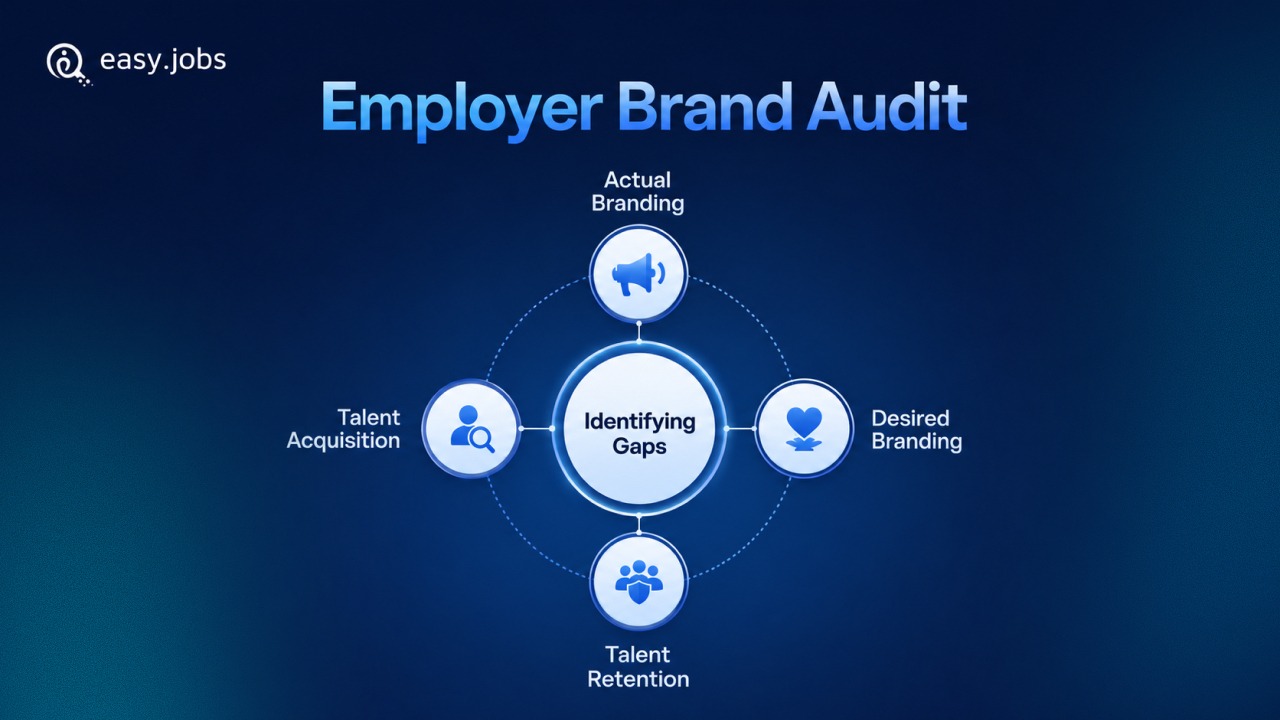
उम्मीदवार आपके साक्षात्कार से पहले ही आपकी कंपनी का ऑडिट कर रहे हैं। वे ग्लासडोर समीक्षाएं पढ़ रहे हैं, लिंक्डइन प्रोफाइल देख रहे हैं, रेडिट चर्चाओं की जांच कर रहे हैं और प्रतिस्पर्धियों के साथ आपकी संस्कृति की तुलना कर रहे हैं। सवाल यह नहीं है कि लोग आपकी कंपनी का मूल्यांकन कर रहे हैं या नहीं। नियोक्ता ब्रांड. सवाल यह है कि क्या आप जानते हैं कि वे क्या देख रहे हैं। यहीं पर एक नियोक्ता ब्रांड ऑडिट अंदर आता है।.
2026 के शोध के अनुसार, एक मजबूत नियोक्ता ब्रांड भर्ती लागत को 431 टीपी3टी तक कम कर सकता है और विशेषज्ञ पदों के लिए भर्ती प्रक्रिया में औसतन 2 सप्ताह की कमी ला सकता है। फिर भी, 681 टीपी3टी कंपनियां नियमित रूप से अपने नियोक्ता ब्रांड की उपस्थिति का ऑडिट नहीं करती हैं। वे प्रतिभा और धन दोनों को खो रही हैं।.
इस गाइड में, हम आपको प्रतिस्पर्धी नियोक्ता ब्रांड ऑडिट करने के लिए पांच आवश्यक चरणों के बारे में बताएंगे जो कमियों को उजागर करता है, अवसरों को सामने लाता है और आपको यह स्पष्ट रोडमैप देता है कि कैसे शीर्ष प्रतिभाएं आपकी कंपनी को बेहतर ढंग से देखती हैं।.
संक्षेप में – सक्रिय मानव संसाधन नेताओं के लिए त्वरित सारांश
क्या आपके पास पूरी गाइड पढ़ने के लिए 10 मिनट भी नहीं हैं? यहां इसका संक्षिप्त विवरण दिया गया है:
| कदमएस | क्या करें | यह क्यों मायने रखती है |
| स्टेप 1 | अपने EVP को परिभाषित करें: इसे विशिष्ट, ईमानदार और कर्मचारियों द्वारा मान्य बनाएं। | उम्मीदवारों को यह समझने की आवश्यकता है कि आप दूसरों से अलग क्यों हैं। |
| चरण दो | आंतरिक, बाह्य और प्रतिस्पर्धी स्तर पर आपकी छवि का आकलन करें। | यह आपके ब्रांड के वादे और वास्तविकता के बीच के अंतर को उजागर करता है। |
| चरण 3 | उम्मीदवारों की संपूर्ण यात्रा का ऑडिट करें; समस्याओं को दूर करें | खराब अनुभव के कारण 40% उम्मीदवार आवेदन वापस ले लेते हैं। |
| चरण 4 | करियर साइट, लिंक्डइन और जॉब बोर्ड पर एक समान संदेश सुनिश्चित करें। | असंगतता से उम्मीदवारों का विश्वास कम होता है। |
| चरण 5 | प्रतिक्रिया एकत्र करें और 30/90/6 महीने की कार्ययोजना तैयार करें। | कार्यान्वयन और जवाबदेही को बढ़ावा देता है |
एम्प्लॉयर ब्रांड ऑडिट से पता चलता है कि उम्मीदवार वास्तव में आपकी कंपनी के बारे में क्या सोचते हैं और यह आपको भर्ती प्रक्रिया के हर चरण को मजबूत करने के लिए एक स्पष्ट रोडमैप प्रदान करता है।.
यह क्यों महत्वपूर्ण है: नियोक्ता ब्रांड ऑडिट का लाभ
इससे पहले कि हम पांच चरणों में आगे बढ़ें, आइए यह स्पष्ट कर लें कि दांव पर क्या लगा है।.
2026 में, आपके नियोक्ता का ब्रांड आपके नियंत्रण में नहीं रहेगा। उम्मीदवार ग्लासडोर समीक्षाओं, लिंक्डइन प्रोफाइल, कर्मचारियों के पोस्ट और स्लैक समुदायों और रेडिट थ्रेड्स में निजी बातचीत के माध्यम से इसके बारे में जानकारी प्राप्त करेंगे। जब तक कोई उम्मीदवार आपकी कंपनी में आवेदन करता है, तब तक वह पहले ही यह राय बना चुका होता है कि वहां काम करना कैसा होगा।.
एम्प्लॉयर ब्रांड ऑडिट आपको तीन महत्वपूर्ण बातें समझने में मदद करता है:
- उम्मीदवार वास्तव में क्या सोचते हैं आपकी कंपनी के बारे में (बनाम आप जो उम्मीद करते हैं कि वे सोचेंगे)
- यह धारणा कहाँ से आ रही है? (आपकी करियर साइट, कर्मचारियों की समीक्षाएं, प्रतिस्पर्धियों की तुलना)
- इसे व्यवस्थित रूप से कैसे मजबूत किया जाए (स्पष्ट प्राथमिकताएं और एक यथार्थवादी समयसीमा)
जो कंपनियां नियमित ऑडिट कराती हैं, वे न केवल अधिक उम्मीदवारों को आकर्षित करती हैं, बल्कि बेहतर उम्मीदवारों को भी आकर्षित करती हैं, भर्ती पर कम खर्च करती हैं और अपने कर्मचारियों को लंबे समय तक अपने साथ बनाए रखती हैं। यह कोई मनगढ़ंत बात नहीं है। आंकड़े यही दर्शाते हैं। अब आइए, पांच चरणों पर चर्चा करते हैं।.
चरण 1: अपने नियोक्ता मूल्य प्रस्ताव (ईवीपी) और मुख्य संदेश को परिभाषित करें
आपका एम्प्लॉयर वैल्यू प्रपोज़िशन (ईवीपी) एक प्रतिस्पर्धी एम्प्लॉयर ब्रांड ऑडिट की नींव है। शीर्ष प्रदर्शन करने वाली 731 कंपनियों में से 33 कंपनियों का ईवीपी स्पष्ट रूप से परिभाषित है। यदि उम्मीदवारों को यह नहीं पता कि उन्हें आपके साथ काम क्यों करना चाहिए, तो किसी भी प्रकार की मार्केटिंग से उनका मन नहीं बदलेगा। शुरुआत यहीं से करें।.
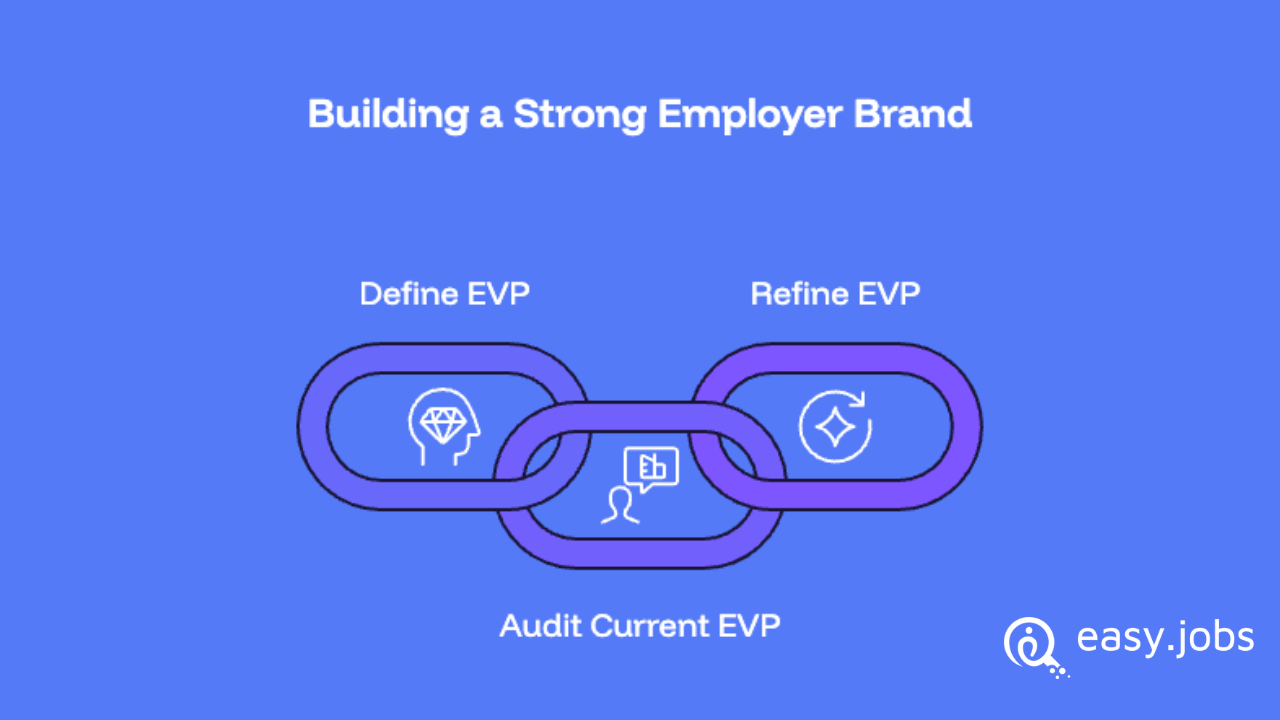
नियोक्ता मूल्य प्रस्ताव क्या है?
आपका नियोक्ता मूल्य प्रस्ताव कर्मचारियों को उनके समय और प्रतिभा के बदले में मिलने वाले लाभों, मुआवजे, संस्कृति और विकास के अवसरों का अनूठा समूह ही असली मायने रखता है। यह सिर्फ वेतन की बात नहीं है। 2026 में उम्मीदवार आपकी कंपनी का मूल्यांकन लचीलेपन, सीखने के अवसरों, मिशन के साथ तालमेल, कार्य-जीवन संतुलन, टीम की कार्यशैली और करियर की दिशा के आधार पर करेंगे।.
इसे इस तरह समझें: आपका ईवीपी ही वह कारण है जिसके आधार पर कोई व्यक्ति किसी चीज़ को चुनता है। आपका कंपनी ने प्रतिस्पर्धियों द्वारा दिए गए समान भूमिकाओं और वेतन की पेशकश वाले तीन अन्य नौकरी प्रस्तावों को तरजीह दी।.
एक वास्तविक उदाहरण पर विचार करें: "हम प्रतिस्पर्धी वेतन ($60K–$85K), लचीले घंटों के साथ पूरी तरह से रिमोट वर्क, $1,500 वार्षिक व्यावसायिक विकास वजीफा और एक मिशन-संचालित संस्कृति प्रदान करते हैं जहां हम एक ऐसी टीम के साथ छोटे व्यवसायों को बढ़ने में मदद करते हैं जो वास्तव में आपके करियर और काम के बाहर आपके जीवन दोनों की परवाह करती है।"“
यह सटीक, मापने योग्य और विश्वसनीय है। इसकी तुलना "शानदार कार्य संस्कृति, प्रतिस्पर्धी वेतन और बेहतरीन सुविधाओं" से करें। इससे उम्मीदवारों को कुछ भी पता नहीं चलता।.
अपने वर्तमान ईवीपी का ऑडिट कैसे करें
सबसे पहले खुद से यह सवाल पूछें: क्या आपके वर्तमान नियोक्ता का संदेश स्पष्ट रूप से बताता है कि आपकी कंपनी में काम करना दूसरों से अलग क्यों है? यहाँ आपकी मूल्यांकन चेकलिस्ट दी गई है:
अपने बाहरी संदेशों की समीक्षा करें:
- अपने करियर पेज को ध्यान से देखें। उम्मीदवारों को सबसे पहले क्या दिखाई देता है? क्या यह इस सवाल का जवाब देता है कि "यहां काम क्यों करें?"“
- अपनी खुली नौकरी के विवरणों की समीक्षा करें। क्या उनमें भूमिका के कर्तव्यों के अलावा आपके EVP (इमरजेंसी वैल्यू प्रपोजल) का स्पष्ट रूप से उल्लेख किया गया है?
- अपने लिंक्डइन कंपनी पेज को देखें। क्या आपका शीर्षक और "हमारे बारे में" अनुभाग यह स्पष्ट रूप से दर्शाता है कि आपके साथ काम करने में क्या विशिष्टता है?
- Indeed, Glassdoor और अन्य जॉब प्लेटफॉर्म पर अपनी जॉब पोस्टिंग देखें। क्या संदेश एक समान है, या यह प्लेटफॉर्म के अनुसार अलग-अलग है?
अपनी टीम का सर्वेक्षण करें: सबसे अच्छी जानकारी सीधे उन लोगों से मिलती है जो आपकी संस्कृति में रहते हैं। अपने कर्मचारियों से पूछें: “आपने यहाँ काम करना क्यों चुना? आप यहाँ क्यों रुके रहे? आप अपने दोस्तों को हमारी कंपनी में काम करने के बारे में क्या बताते हैं?” इससे आपको ऐसी प्रामाणिक भाषा मिलेगी जो आपके वास्तविक EVP (एवरी वैल्यू प्रपोजल) को दर्शाती है, न कि वह बनावटी रूप जो HR विभाग पेश करना चाहता है। साथ ही, इस गाइड में आगे हम इस विषय पर विस्तार से चर्चा करेंगे।.
प्रतिस्पर्धियों का विश्लेषण करें: स्थानीय, उद्योग जगत से जुड़े और महत्वाकांक्षी प्रतिस्पर्धियों के नियोक्ता संदेशों में किन बातों पर ज़ोर दिया गया है, इसका 30 मिनट का विश्लेषण करें। क्या वे दूरस्थ कार्य, करियर विकास, उदार लाभों या उद्योग में मान्यता को उजागर कर रहे हैं? आपका संदेश किन बिंदुओं पर उनसे भिन्न है? आप किन बिंदुओं पर उनसे सहमत हैं?
कमियों की पहचान करें: यहीं पर अधिकांश कंपनियों को अपनी गलती का एहसास होता है। अपने करियर पेज पर किए गए वादों की तुलना कर्मचारियों के वास्तविक अनुभव से करें। यदि आपके पेज पर "सहयोगी संस्कृति" लिखा है, लेकिन एग्जिट इंटरव्यू में अलगाव और खराब संचार का पता चलता है, तो आपको अपनी पहली कमी मिल गई है।.
फीडबैक के आधार पर अपने EVP को परिष्कृत करें
अब आपने जो सीखा है, उसे संक्षेप में प्रस्तुत करें। आपका परिष्कृत EVP इस प्रकार होना चाहिए:
- विशिष्ट: वास्तविक लाभों का उल्लेख करें (वेतन सीमा, अवकाश के दिन, दूरस्थ कार्य करने की सुविधा या इसकी अनुपलब्धता)।.
- ईमानदार: अपनी कंपनी में काम करने के बारे में जो वास्तव में सच है, उसे प्रतिबिंबित करें।.
- विभेदित: इस बात पर प्रकाश डालें कि प्रतियोगी क्या नहीं कर रहे हैं।.
- कर्मचारी द्वारा सत्यापित: अपनी टीम द्वारा कंपनी का वर्णन करने के लिए वास्तव में उपयोग की जाने वाली भाषा का प्रयोग करें।.
एक बार जब आप अपना ईवीपी परिभाषित कर लें, इसे स्पष्ट रूप से दस्तावेज़ में दर्ज करें आपके करियर पेज पर। यहीं पर। easy.jobs करियर पेज बिल्डर शाइन्स, ग्राहक इसका उपयोग अपने ईवीपी को कस्टम ब्रांडिंग, टीम की तस्वीरों और कंपनी की कहानी के साथ दृश्य रूप से प्रदर्शित करने के लिए करते हैं। एक उम्मीदवार को 30 सेकंड में यह समझ में आ जाना चाहिए कि "हमें क्यों चुनें"।.
जो भर्तीकर्ता अपने EVP (इमरजेंसी प्रॉस्पेक्टस) को स्पष्ट रूप से बताते हैं और उसे अपने करियर पेज पर प्रमुखता से प्रदर्शित करते हैं, वे तीन महीनों के भीतर योग्य आवेदनों में 1% से 3% की अच्छी वृद्धि देखते हैं। इसका कारण क्या है? स्पष्ट और सटीक संदेश, जिस पर उम्मीदवार भरोसा कर सकते हैं।.
चरण 2: आपके वर्तमान नियोक्ता ब्रांड का मूल्यांकन (आंतरिक और बाह्य)
अब जब आप जान चुके हैं कि आपका एम्प्लॉयर ब्रांड कैसा होना चाहिए, तो यह आकलन करने का समय है कि वास्तव में आपकी छवि आपके संगठन के अंदर और बाहर दोनों जगह कैसी है। रैली भर्ती विपणन, लगभग 73% उम्मीदवार आवेदन करने से पहले कंपनी की संस्कृति पर शोध करते हैं। आपको यह समझना होगा कि वे क्या खोज रहे हैं।.
आंतरिक मूल्यांकन: आपके कर्मचारी क्या सोचते हैं
आपके कर्मचारी ही आपके नियोक्ता ब्रांड की सेहत का पहला संकेत हैं।.
कर्मचारियों की प्रतिक्रिया से शुरुआत करें: अपने नवीनतम eNPS (कर्मचारी नेट प्रमोटर स्कोर) डेटा को देखें। क्या कर्मचारी सक्रिय रूप से अपने दोस्तों को आपकी कंपनी की सिफ़ारिश कर रहे हैं? यदि नहीं, तो धारणा में अंतर है।.
पिछले 12 महीनों के एग्जिट इंटरव्यू के ट्रांसक्रिप्ट की समीक्षा करें। नौकरी छोड़ने वाले कर्मचारी क्या कहते हैं? "खराब संचार," "विकास के अवसरों की कमी," "नेतृत्व संबंधी समस्याएं," ये विषय बताते हैं कि आपका नियोक्ता ब्रांड वास्तव में क्या प्रदान कर रहा है।. आवेदक ट्रैकिंग प्रणाली उपयोगकर्ता अक्सर अपनी वास्तविक संस्कृति संबंधी समस्याओं का पता यहीं लगाते हैं, न कि सहभागिता सर्वेक्षणों में, क्योंकि मौजूदा कर्मचारियों को ईमानदार होने से कुछ भी खोना नहीं होता है।.
आचरण “स्टे इंटरव्यू” अपने सर्वश्रेष्ठ प्रदर्शन करने वाले कर्मचारियों से बात करें। उनसे एग्जिट इंटरव्यू के उलट सवाल पूछें: "ऐसी क्या वजह हो सकती है जिसकी वजह से आप नौकरी छोड़ने के बारे में सोचेंगे?" और "ऐसी क्या चीज़ है जो आपको यहाँ बनाए रखती है?" इससे पता चलता है कि आपके नियोक्ता ब्रांड में वास्तव में क्या अच्छा काम कर रहा है और आप कहाँ कमज़ोर हैं।.
फिर तृतीय-पक्ष समीक्षा साइटों को देखें। अपनी कंपनी के बारे में Glassdoor और Indeed पर प्रकाशित अंतिम 20 समीक्षाएँ पढ़ें। क्या कोई पैटर्न सामने आता है? कर्मचारी इन प्लेटफार्मों पर ईमानदारी से लिखते हैं क्योंकि वे गुमनाम रूप से ऐसा कर सकते हैं।.
प्रतिधारण मेट्रिक्स का विश्लेषण करें: कुछ विभागों में स्वैच्छिक कर्मचारियों का अधिक संख्या में नौकरी छोड़ना एक चिंताजनक संकेत है। यदि इंजीनियरिंग विभाग में वार्षिक कर्मचारियों का नौकरी छोड़ने की दर 40% है, लेकिन परिचालन विभाग स्थिर है, तो यह विभाग स्तर पर एक समस्या का संकेत देता है जिसे भावी उम्मीदवार अवश्य देखेंगे। आपके नियोक्ता का ब्रांड उतना ही मजबूत होता है जितना कि आपके उस विभाग में जहां कर्मचारियों का सबसे अधिक संख्या में नौकरी छोड़ना होता है।.
बाह्य मूल्यांकन: उम्मीदवार और बाज़ार क्या देखते हैं
अब एक उम्मीदवार की भूमिका में खुद को रखकर देखिए।.
किसी उम्मीदवार की तरह ही अपनी करियर साइट का ऑडिट करें: अपने करियर पेज पर जाएं। क्या यह देखने में आकर्षक है? क्या यह मोबाइल पर तेजी से लोड होता है? क्या आप रिक्त पदों को आसानी से ढूंढ सकते हैं या वे छिपे हुए हैं?
अपनी नौकरी के विवरण ध्यान से पढ़ें। क्या उनमें इस बात पर ज़ोर दिया गया है कि यह पद आपकी कंपनी के मिशन के लिए क्यों महत्वपूर्ण है, या उनमें केवल कर्तव्यों की सूची दी गई है? क्या उनमें लाभ, लचीलापन और विकास के अवसरों का उल्लेख है? या वे सामान्य से लगते हैं?
अपनी तस्वीरों और वीडियो को ध्यान से देखें। क्या ये असली कर्मचारियों की प्रामाणिक तस्वीरें हैं या स्टॉक इमेज? उम्मीदवार कुछ ही सेकंड में नकलीपन को पहचान सकते हैं और इससे विश्वास को ठेस पहुँचती है।.
अपनी जॉब बोर्ड उपस्थिति का ऑडिट करें: LinkedIn, Indeed और Glassdoor पर अपनी कंपनी का नाम खोजें। विभिन्न प्लेटफॉर्म पर आपकी नौकरी की पोस्टिंग कैसी दिखती हैं? क्या विवरण एक जैसा है या बिल्कुल अलग-अलग है? विवरण में एकरूपता न होना उम्मीदवारों को अव्यवस्था का संकेत देता है।.
पुरानी विज्ञापन सूचनाओं की जाँच करें। यदि कोई नौकरी 6 महीने से अधिक समय से "खुली" है, तो उम्मीदवार सोचते हैं: "वे इस पद को क्यों नहीं भर पा रहे हैं? क्या कंपनी में कुछ गड़बड़ है?" पुरानी विज्ञापन सूचनाएं आपके ब्रांड को नुकसान पहुंचाती हैं।.
अपनी सोशल मीडिया उपस्थिति की जांच करें: अपने लिंक्डइन कंपनी पेज पर जाएं। क्या यह आपके नियोक्ता ब्रांड को दर्शाता है? क्या आप कंपनी से जुड़ी जानकारियां, संस्कृति के महत्वपूर्ण पल और कर्मचारियों की उपलब्धियों को साझा कर रहे हैं या यह सिर्फ एक जॉब बोर्ड है?
अपनी कंपनी के हैशटैग और कर्मचारियों के नाम खोजें इंस्टाग्राम, एक्स और टिकटॉक. क्या आपके कर्मचारी आपकी कंपनी में काम करने के बारे में सकारात्मक पोस्ट कर रहे हैं? या फिर चुप्पी छाई हुई है? आजकल, सोशल मीडिया पर कर्मचारियों की सकारात्मक प्रतिक्रिया एक मजबूत नियोक्ता ब्रांड का संकेत है।.
तृतीय-पक्ष समीक्षाओं पर नज़र रखें: अपनी रेटिंग प्राप्त करें ग्लासडोर, इंडीड और गूगल. आपकी स्टार रेटिंग क्या है? (3.0 या उससे कम स्टार रेटिंग उम्मीदवारों के लिए चेतावनी का संकेत है।) सकारात्मक और नकारात्मक समीक्षाओं में पाए जाने वाले सामान्य विषयों को पढ़ें। समीक्षक सबसे अधिक किन समस्याओं का उल्लेख करते हैं?
प्रतिस्पर्धी बेंचमार्किंग: आप कहाँ खड़े हैं
आप उस दौड़ को नहीं जीत सकते जिसका आप माप नहीं कर रहे हैं।.
तीन प्रतियोगी श्रेणियों की पहचान करें:
- स्थानीय प्रतियोगी – आपके क्षेत्र की वे कंपनियाँ जो आपके प्रतिभाशाली कर्मचारियों को अपने यहाँ काम पर रखने की सबसे अधिक संभावना रखती हैं।.
- उद्योग प्रतिस्पर्धी – आपके क्षेत्र की अन्य कंपनियां, विशेषकर बड़ी या अधिक प्रसिद्ध ब्रांड।.
- महत्वाकांक्षी प्रतियोगी – वे ब्रांड जिनकी आप प्रशंसा करते हैं और जिनकी संस्कृति को आप अपनाना चाहते हैं (जरूरी नहीं कि वे आपके उद्योग से संबंधित हों)।.
प्रतिस्पर्धी ऑडिट करें:
- करियर साइट के डिजाइन, संदेश, चित्र और नौकरी के विवरण के लहजे की तुलना करें।.
- उनकी ईवीपी पिच क्या है? क्या वे रिमोट वर्क, लर्निंग, मिशन, इक्विटी या फ्लेक्सिबिलिटी पर जोर दे रहे हैं?
- ग्लासडोर पर उनकी रेटिंग आपकी रेटिंग से कितनी अलग है? उनकी समीक्षाओं में प्रमुख विषय क्या हैं?
- उनकी लिंक्डइन प्रोफाइल देखें। क्या उनके कर्मचारी कंपनी से संबंधित सामग्री सक्रिय रूप से साझा कर रहे हैं या फीड शांत है?
- कमियों की पहचान करें: वे कौन सा काम बहुत शानदार तरीके से कर रहे हैं जो आप नहीं कर पा रहे हैं? आपका प्रतिस्पर्धी लाभ क्या है?
भर्तीकर्ता अक्सर पाते हैं कि प्रतिस्पर्धी कंपनियां अपने जॉब पोस्टिंग में वेतन, रिमोट वर्किंग की सुविधा और विकास के अवसरों के बारे में कहीं अधिक पारदर्शी हैं। पारदर्शिता में यह साधारण बदलाव उन कंपनियों को भर्ती में बढ़त देता है और इसे ठीक करना आसान है।.
चरण 3: उम्मीदवार की यात्रा और अनुभव का मूल्यांकन करें
एक असफल उम्मीदवार प्रक्रिया किसी मजबूत नियोक्ता ब्रांड को भी नुकसान पहुंचा सकती है। एक रिपोर्ट में यह बात सामने आई है। यूके रिक्रूटर 40% के आंकड़ों से पता चलता है कि खराब अनुभव के कारण कई उम्मीदवार आवेदन वापस ले लेते हैं। आपके भावी कर्मचारी आपकी कंपनी के बारे में निर्णय इस आधार पर लेते हैं कि आप उन्हें नौकरी पर रखने से पहले उनके साथ कैसा व्यवहार करते हैं। इसका सावधानीपूर्वक ऑडिट करें।.
उम्मीदवार की संपूर्ण यात्रा का मानचित्रण करें
किसी उम्मीदवार को आपकी कंपनी के बारे में जानकारी मिलने से लेकर नौकरी का प्रस्ताव स्वीकार करने तक, वे अपनी राय बनाते रहते हैं। यहाँ कुछ प्रमुख बिंदु दिए गए हैं:
जागरूकता चरण: उम्मीदवारों को आपके बारे में सबसे पहले कहां से पता चलता है? लिंक्डइन पर नौकरी के विज्ञापन, इंडीड, आपकी वेबसाइट, उद्योग से जुड़े कार्यक्रम, कर्मचारियों की सिफारिशें, और भर्तीकर्ताओं से संपर्क?
रुचि चरण: किसी जॉब पोस्टिंग पर क्लिक करने के बाद, उन्हें क्या दिखाई देता है? क्या उन्हें कोई आकर्षक जॉब डिस्क्रिप्शन दिखाई देता है जो भूमिका, टीम और उसके प्रभाव को स्पष्ट करता है? या फिर आवश्यकताओं की एक सामान्य सूची?
आवेदन चरण: आवेदन करने की प्रक्रिया में कितने चरण हैं? क्या आप शुरुआत में ही अनावश्यक जानकारी मांगते हैं? क्या फॉर्म मोबाइल-फ्रेंडली है? क्या यह प्रक्रिया त्वरित लगती है या फिर बेहद लंबी?
चयन चरण: उम्मीदवारों को जवाब मिलने में कितना समय लगता है? दिन? सप्ताह? क्या आप स्थिति की जानकारी देते हैं या फिर वह जानकारी गायब हो जाती है?
साक्षात्कार चरण: क्या साक्षात्कारों की समय-सारणी कुशलतापूर्वक तय की जाती है, या समन्वय में तीन सप्ताह लग जाते हैं? क्या उम्मीदवारों को साक्षात्कार की तैयारी के लिए सामग्री और स्पष्ट अपेक्षाएँ पहले से मिल जाती हैं? साक्षात्कार के कितने दौर होते हैं?
प्रस्ताव चरण: क्या प्रस्ताव पेशेवर तरीके से और शीघ्रता से दिया गया है? क्या प्रस्ताव बातचीत के अनुरूप है या यह एक अप्रत्याशित (बुरा) आश्चर्य है?
ऑनबोर्डिंग चरण: क्या नए कर्मचारियों को पहले दिन से ही स्वागत और तैयारी का एहसास होता है? क्या कोई सुनियोजित ऑनबोर्डिंग योजना है या उन्हें सीधे मुश्किल परिस्थितियों में डाल दिया जाता है?
इनमें से प्रत्येक संपर्क बिंदु यह निर्धारित करता है कि कोई उम्मीदवार आपके नियोक्ता ब्रांड का समर्थक बनता है या सभी को आपसे बचने के लिए कहता है।.
मिस्ट्री शॉपर टेस्ट
सच बात यह है: आप डेस्क पर बैठकर उम्मीदवारों की पूरी प्रक्रिया का निष्पक्ष रूप से मूल्यांकन नहीं कर सकते। आपको इसे स्वयं अनुभव करना होगा।.
इसे कैसे करना है:
- अपनी खुली नौकरियों में से किसी एक के लिए आवेदन करें (या यदि आपको गुमनामी की आवश्यकता है तो किसी विश्वसनीय सहकर्मी से ऐसा करने के लिए कहें)।.
- हर कदम का समय नोट करें। करियर पेज पर पहुंचने से लेकर आवेदन जमा करने तक कितना समय लगता है?
- समस्या के मुख्य बिंदु: भ्रामक नेविगेशन, निरर्थक आवश्यक फ़ील्ड, फॉर्म जमा करने में लगने वाला समय और आगे के चरणों का स्पष्ट न होना।.
- अपनी भावनात्मक प्रतिक्रिया पर ध्यान दें: क्या आपको यहां काम करने में उत्साह महसूस हुआ? निराशा हुई? या उदासीनता महसूस हुई?
- पूरी यात्रा का स्क्रीनशॉट लें और अपनी मानव संसाधन टीम के साथ इसकी समीक्षा करें।.
लक्ष्य पूर्णता प्राप्त करना नहीं है; बल्कि उम्मीदवारों को जिन समस्याओं का सामना करना पड़ रहा है, उन्हें समझना है।.
भर्तीकर्ता जो इस परीक्षण को मैन्युअल रूप से या पुराने एटीएस (आर्टिकल सिस्टम) में करते हैं, अक्सर पाते हैं कि उनके आवेदन फॉर्म को पूरा करने में 30 मिनट से अधिक समय लगता है, इसमें अनावश्यक जानकारी मांगी जाती है और यह मोबाइल-फ्रेंडली नहीं है। केवल इन कमियों को दूर करने से ही आवेदन पूरा करने की दर 25 से 35% तक बढ़ सकती है। easy.jobs जैसे आधुनिक एटीएस इस अंतर को पाटने में काफी मददगार साबित हो सकते हैं।.
उम्मीदवार प्रतिक्रिया तंत्र
प्रत्यक्ष प्रतिक्रिया अमूल्य है।.
आवेदन के बाद सर्वेक्षण भेजें: जिन उम्मीदवारों ने आवेदन किया था लेकिन उनका चयन नहीं हुआ, उन्हें ईमेल भेजें: “आपकी रुचि के लिए धन्यवाद। हमें सुधार करने में मदद करने के लिए, क्या आप [पद] के लिए आवेदन करने का अपना अनुभव साझा कर सकते हैं?” दो-तीन खुले प्रश्न ही पूछें। इससे आपको समस्याओं के बारे में स्पष्ट प्रतिक्रिया मिलेगी।.
नए कर्मचारियों के साथ साक्षात्कार: अपने पिछले पांच नए कर्मचारियों के कार्यकाल के दो सप्ताह बाद उनसे 15 मिनट की बातचीत करें। उनसे पूछें: “मुझे अपने आवेदन और साक्षात्कार के अनुभव के बारे में विस्तार से बताएं। क्या चीज़ें सहज रहीं? आपको किस बात से निराशा हुई?” उनके जवाब, भले ही ताज़ा हों, बहुत महत्वपूर्ण होते हैं।.
आवेदन जमा करने की प्रक्रिया को ट्रैक करें: अगर आपकी जॉब पोस्टिंग पर 100 लोग आते हैं लेकिन सिर्फ 10 लोग अप्लाई करते हैं, तो कुछ गड़बड़ है। आप कुछ फीचर्स का इस्तेमाल कर सकते हैं जैसे कि easy.jobs एडवांस्ड एनालिटिक्स यह पता लगाने के लिए कि उम्मीदवार कहाँ से आवेदन छोड़ रहे हैं। क्या यह कोई भ्रामक फॉर्म है? मोबाइल से संबंधित कोई समस्या? नौकरी का विवरण स्पष्ट नहीं है?
प्रस्ताव स्वीकृति दरों की निगरानी करें: क्या उम्मीदवार आपके प्रस्ताव स्वीकार कर रहे हैं? या अस्वीकार कर रहे हैं? जब वे अस्वीकार करें, तो कारण पूछें। अक्सर, आपको पता चलेगा कि आपकी साक्षात्कार प्रक्रिया या प्रस्ताव उनकी अपेक्षाओं के अनुरूप नहीं था, जो नियोक्ता के ब्रांड संदेश में असंगति का सीधा संकेत है।.
उम्मीदवारों की प्रक्रिया को सुव्यवस्थित करने के उपकरण
ऑडिट करते समय, इस बात पर विचार करें कि प्रौद्योगिकी किस प्रकार बाधाओं को दूर कर सकती है:
उम्मीदवारों की स्थिति का स्वचालित अपडेट – उम्मीदवारों को अपनी स्थिति के बारे में चिंता करने की ज़रूरत नहीं है। उम्मीदवार संचार उपकरणों के साथ, उन्हें हर चरण में स्वचालित सूचनाएं प्राप्त होती हैं: "हमें आपका आवेदन प्राप्त हो गया है," "आपको साक्षात्कार के लिए चुना गया है," "हम शुक्रवार तक आपसे संपर्क करेंगे।" इससे अकेले ही ब्रांड की छवि में उल्लेखनीय सुधार होता है।.
सरलीकृत आवेदन पोर्टल आवेदन करना जितना आसान होगा, उतने ही योग्य उम्मीदवारों तक आप पहुंच पाएंगे। easy.jobs जैसे हायरिंग प्लेटफॉर्म आपको मोबाइल-फ्रेंडली करियर पेज और आवेदन प्रक्रिया बनाने की सुविधा देते हैं, जिसमें 15 मिनट के बजाय 3-5 मिनट लगते हैं।.
रिमोट इंटरव्यू सुविधा का उपयोग करें – उम्मीदवार अपनी सुविधानुसार साक्षात्कार दे सकते हैं। समय का तालमेल बिठाने की कोई ज़रूरत नहीं। कोई असुविधा नहीं। सुलभता पेशेवर रवैये का संकेत है।.
मूल्यांकन उपकरण – पारदर्शी और निष्पक्ष मूल्यांकन से यह संकेत मिलता है कि आप उम्मीदवारों के समय का सम्मान करते हैं और वास्तव में उनकी उपयुक्तता का आकलन कर रहे हैं।.
चरण 4: विभिन्न प्लेटफार्मों पर संदेशों की एकरूपता का विश्लेषण करें
यहां एक ऐसी समस्या है जिसे ज्यादातर कंपनियां समझ नहीं पातीं: उम्मीदवार आवेदन करने का निर्णय लेने से पहले औसतन 8-12 ब्रांड टचपॉइंट देखते हैं। यदि आपका संदेश सभी प्लेटफॉर्म पर एक जैसा नहीं है, तो आप उनका विश्वास खो देंगे और वे आपकी जगह प्रतिस्पर्धियों के यहां आवेदन करेंगे।.
सामग्री संगति ऑडिट ढांचा
आपकी करियर वेबसाइट पर जो लिखा है, वह LinkedIn, Indeed, Glassdoor और नौकरी के विवरण में लिखे गए शब्दों से मेल खाना चाहिए। यहां कुछ बिंदु दिए गए हैं जिनकी जांच करनी चाहिए:
संदेश का लहजा और शैली: क्या आपकी करियर वेबसाइट पेशेवर और औपचारिक लगती है, जबकि लिंक्डइन पर आपकी पोस्ट अनौपचारिक और अनोखी हैं? उम्मीदवार इस विरोधाभास को आसानी से पहचान लेते हैं। एक शैली तय करें और उसी पर कायम रहें।.
दृश्य ब्रांडिंग: क्या आपके रंग, लोगो और चित्र सभी प्लेटफार्मों पर एक समान हैं? एकरूप ब्रांडिंग व्यावसायिकता और उद्देश्यपूर्णता का संकेत देती है।.
कोर ईवीपी भाषा: प्रत्येक नौकरी विवरण और कंपनी पेज पर समान मुख्य लाभों और मूल्यों का उल्लेख होना चाहिए। यदि एक विज्ञापन में "तेज़ गति वाली स्टार्टअप ऊर्जा" पर ज़ोर दिया गया है और दूसरे में "व्यवस्थित, अनुमानित प्रक्रियाओं" पर, तो उम्मीदवार आपकी संस्कृति को लेकर भ्रमित हो जाएंगे।.
कंपनी संस्कृति का वर्णन: आपको हर जगह "यहां काम करना कैसा है" के बारे में एक ही कहानी बतानी चाहिए। शब्द भले ही एक जैसे न हों, लेकिन कहानी का सूत्र एक ही होना चाहिए।.
मुआवजे में पारदर्शिता: यदि कुछ नौकरी विज्ञापनों में वेतन सीमा दी गई है और अन्य में नहीं, तो उम्मीदवार यह मान लेते हैं कि आप कुछ छिपा रहे हैं। असंगति विश्वास को ठेस पहुंचाती है।.
प्लेटफ़ॉर्म-दर-प्लेटफ़ॉर्म ऑडिट चेकलिस्ट
आपकी करियर साइट:
- क्या पहले भाग में आपका ईवीपी स्पष्ट रूप से संप्रेषित होता है?
- क्या तस्वीरें और वीडियो असली हैं या स्टॉक इमेज हैं?
- क्या कंपनी की कहानी प्रमुखता से सामने रखी गई है, या उसे दबा दिया गया है?
- क्या आप वास्तविक कर्मचारियों की प्रशंसापत्र शामिल करते हैं?
- क्या उम्मीदवार आसानी से रिक्त पदों को खोज और फ़िल्टर कर सकते हैं?
- क्या यह तेज़ और मोबाइल के अनुकूल है?
लिंक्डइन कंपनी पेज:
- क्या आपका शीर्षक/टैगलाइन आपके ईवीपी से मेल खाता है?
- क्या आप संस्कृति से जुड़े अपडेट, उपलब्धियां और कर्मचारियों की उपलब्धियों को साझा कर रहे हैं या सिर्फ नौकरी संबंधी विज्ञापन दे रहे हैं?
- क्या आपकी कंपनी का विवरण आपकी करियर साइट के संदेश से मेल खाता है?
- क्या आपके अपडेट में कर्मचारियों को प्रोत्साहित किया जाता है और वे दिखाई देते हैं?
नौकरी का विवरण (सभी प्लेटफॉर्म):
- क्या वे नेतृत्व करते हैं? क्यों भूमिका मायने रखती है (सिर्फ जिम्मेदारियां नहीं)?
- क्या वे लाभ, लचीलापन और विकास के अवसरों का उल्लेख करते हैं?
- क्या सभी पोस्टिंग में लहजा एक समान है, पेशेवर होने के साथ-साथ मानवीय भी?
- क्या वेतन सीमाएँ एक समान रूप से सूचीबद्ध हैं? (हाँ या ना, लेकिन एक तरीका चुनें और उसी पर कायम रहें।)
- क्या वे आपके ईवीपी को दर्शाते हैं?
ग्लासडोर और इंडीड पर कंपनियों की प्रोफाइल:
- क्या आपकी कंपनी का विवरण आपके ईवीपी के संदेश से मेल खाता है?
- क्या आपने अपनी प्रोफ़ाइल पर दावा किया है और उसे अपडेट किया है?
- क्या आप हाल की समीक्षाओं (विशेषकर नकारात्मक समीक्षाओं) का जवाब दे रहे हैं?
- क्या आपके नेतृत्व और संस्कृति संबंधी अनुभाग भरे हुए हैं?
सोशल मीडिया (लिंक्डइन, इंस्टाग्राम, टिकटॉक, ट्विटर/एक्स):
- क्या आप अपने दैनिक जीवन से जुड़ी प्रामाणिक सामग्री साझा कर रहे हैं?
- क्या आप कर्मचारियों और उनके काम को प्रमुखता देते हैं?
- क्या आपकी पोस्टिंग की आवृत्ति इतनी सुसंगत और नियमित है कि वह लोगों के दिमाग में बनी रहे?
- क्या सभी प्लेटफॉर्म पर आपकी ब्रांड की टोन उससे मेल खाती है?
विसंगतियों को ठीक करना
एक मैसेजिंग गाइड बनाएं:
अपने EVP को 2-3 वाक्यों में लिखें – यह आपकी संक्षिप्त प्रस्तुति है। हर भर्तीकर्ता, हायरिंग मैनेजर और मार्केटिंग व्यक्ति को इसे याद कर लेना चाहिए।.
अपने 5-7 मूल मूल्यों को परिभाषित करें – “ईमानदारी” और “नवाचार” जैसे सामान्य मूल्यों की बात नहीं, बल्कि आपकी कंपनी के लिए विशिष्ट मूल्यों की बात हो। ये मूल्य आपके दैनिक कार्य में किस प्रकार प्रकट होते हैं?
लहजे के लिए दिशा-निर्देश स्थापित करें – क्या आप औपचारिक हैं या अनौपचारिक? तकनीकी हैं या बोलचाल की भाषा में बात करते हैं? समावेशी हैं या किसी विशेष उद्योग से संबंधित? उदाहरण लिखकर बताएं।.
नौकरी विवरण टेम्पलेट बनाएं – संरचना को मानकीकृत करें ताकि प्रत्येक पोस्टिंग में निम्नलिखित शामिल हों: भूमिका का उद्देश्य, प्रमुख जिम्मेदारियां, योग्यताएं, लाभ और ईवीपी से संबंध।.
दृश्य ब्रांडिंग मानक निर्धारित करें – रंगों, फ़ॉन्ट, छवि शैली और फ़ोटोग्राफ़ी संबंधी दिशानिर्देशों को दस्तावेज़ में शामिल करें। यह सुनने में मामूली लगता है, लेकिन जब आपको पता चलता है कि एक टीम चमकीली, आधुनिक छवियों का उपयोग कर रही है, जबकि दूसरी टीम कॉर्पोरेट स्टॉक फ़ोटो का उपयोग कर रही है, तो बात अलग है।.
स्वामित्व सौंपें – प्रत्येक प्लेटफॉर्म पर संदेशों को कौन अपडेट करता है? अनुमोदन प्रक्रिया क्या है? निरंतरता के लिए ऑडिट कितनी बार किया जाना चाहिए (त्रैमासिक ऑडिट आदर्श है)?
जो भर्तीकर्ता सभी प्लेटफॉर्म पर संदेश में एकरूपता बनाए रखते हैं, उन्हें उन उम्मीदवारों से दोगुनी संख्या में दोबारा आवेदन मिलते हैं जिन्हें पहली बार में नौकरी नहीं मिली थी। क्यों? क्योंकि अस्वीकृति के बाद भी ब्रांड का वादा विश्वसनीय और आकर्षक बना रहता है।.
चरण 5: हितधारकों से प्रतिक्रिया एकत्र करें और कार्रवाई की प्राथमिकताएं निर्धारित करें
सर्वश्रेष्ठ नियोक्ता ब्रांड ऑडिट किसी भी तरह से शून्य में नहीं किए जाते हैं। शीर्ष अधिकारियों से लेकर फ्रंटलाइन प्रबंधकों और हाल ही में भर्ती हुए उम्मीदवारों तक, सभी हितधारकों की प्रतिक्रिया कमियों को उजागर करती है और सुधारों के लिए सहमति बनाती है।.
प्रमुख हितधारकों की पहचान करें
आंतरिक हितधारक:
- सी-सूट/कार्यकारी नेतृत्व – वे नियोक्ता ब्रांड पहलों के लिए व्यावसायिक रणनीति और बजट निर्धारित करते हैं।.
- मानव संसाधन/प्रतिभा अधिग्रहण नेता वे दिन-प्रतिदिन की भर्ती प्रक्रिया का प्रबंधन करते हैं और उम्मीदवारों से सीधे प्रतिक्रिया प्राप्त करते हैं।.
- विभाग/टीम प्रमुख – वे कर्मचारियों की भर्ती करते हैं, उन्हें बनाए रखने का प्रबंधन करते हैं और अपनी टीमों की संस्कृति के बारे में बता सकते हैं।.
- भर्ती/मानव संसाधन टीम – उम्मीदवारों के साथ बातचीत और उनकी आपत्तियों पर प्रत्यक्ष प्रतिक्रिया।.
- हाल ही में नियुक्त किए गए नए कर्मचारी – उन्होंने आपकी ऑनबोर्डिंग प्रक्रिया का अनुभव किया है और वे एक नया दृष्टिकोण प्रदान कर सकते हैं।.
बाहरी हिस्सेदार:
- हाल के उम्मीदवार – चाहे आपने उन्हें नौकरी पर रखा हो या नहीं। अस्वीकृत उम्मीदवार अक्सर सबसे ईमानदार होते हैं।.
- वर्तमान कर्मचारी उनकी अंतर्दृष्टि अमूल्य है लेकिन अक्सर उसे नजरअंदाज कर दिया जाता है।.
प्रतिक्रिया संग्रह विधियाँ
सर्वेक्षण: कर्मचारियों, नए नियुक्तियों और हाल ही में भर्ती हुए उम्मीदवारों को संरचित सर्वेक्षण भेजें। अधिक पूर्ण होने की दर के लिए इन्हें संक्षिप्त रखें (5-7 प्रश्न)। खुले सिरे वाले प्रश्न पूछें जैसे:
- “"हमें अपने नियोक्ता ब्रांड में किस एक चीज़ में सुधार करना चाहिए?"”
- “"आप हमें कार्यस्थल के रूप में क्यों सुझाएंगे (या नहीं सुझाएंगे)?"”
- “"[यहां काम करने/साक्षात्कार प्रक्रिया के बारे में] आपको सबसे ज्यादा आश्चर्य किस बात पर हुआ?"”
गोलमेज चर्चाएँ: मानव संसाधन, वित्त, संचालन और भर्ती विभाग के प्रमुखों के साथ एक समन्वित बैठक आयोजित करें। अपने ऑडिट निष्कर्षों पर चर्चा करें: “ग्लासडोर पर उम्मीदवारों की क्या राय है? हमारी करियर साइट क्या वादा करती है? इसमें क्या कमी है?” साथ मिलकर समाधानों पर विचार-विमर्श करें। इससे सभी का समर्थन प्राप्त होता है और ऐसे दृष्टिकोण सामने आते हैं जो सर्वेक्षण में छूट जाते।.
आमने-सामने साक्षात्कार: 8-10 प्रमुख कर्मचारियों, हाल ही में नियुक्त किए गए नए कर्मचारियों और नौकरी न पाने वाले 3-5 उम्मीदवारों के साथ 15-20 मिनट की कॉल का समय निर्धारित करें। स्पष्ट प्रतिक्रिया प्राप्त करने के लिए खुले प्रश्नों का प्रयोग करें। मुख्य बिंदुओं और सीधे कथनों को रिकॉर्ड करें; ये आपकी अंतिम रिपोर्ट में सशक्त प्रमाण बनेंगे।.
निष्कर्षों को कार्रवाई योग्य प्राथमिकताओं में संश्लेषित करें
एक स्पष्ट ऑडिट रिपोर्ट तैयार करें:
कार्यकारी सारांश (1-2 पृष्ठ): मुख्य निष्कर्ष: खूबियां, कमियां, अवसर। नेतृत्वकर्ता इसे 10 मिनट में पढ़ सकते हैं।.
विस्तृत निष्कर्ष (लेखापरीक्षा क्षेत्र के अनुसार): ईवीपी की स्पष्टता, उम्मीदवार की यात्रा में आने वाली बाधाएं, संदेशों में निरंतरता और प्रतिस्पर्धी स्थिति।.
प्रतिस्पर्धी बेंचमार्किंग: स्थानीय, उद्योग जगत और महत्वाकांक्षी प्रतिस्पर्धियों के मुकाबले आपकी स्थिति कैसी है?.
हितधारकों की प्रतिक्रिया का सारांश: सामान्य विषय और प्रभावशाली प्रत्यक्ष उद्धरण।.
अब प्राथमिकता निर्धारित करें। एक सरल प्राथमिकता मैट्रिक्स (प्रभाव बनाम प्रयास) का उपयोग करें:
उच्च प्रभाव, कम प्रयास (पहले ये करें): ऐसे त्वरित उपाय जो मनोबल और भर्ती को बढ़ावा देते हैं, उनमें पुरानी नौकरी संबंधी पोस्टिंग को ठीक करना, अपनी करियर साइट पर EVP को स्पष्ट करना, ग्लासडोर की नकारात्मक समीक्षाओं का जवाब देना और लिंक्डइन पर कंपनी के विवरण को अपडेट करना शामिल हैं।.
उच्च प्रभाव, उच्च प्रयास (अगली तिमाही के लिए योजना): करियर साइट का पुनर्रचना, ऑनबोर्डिंग में व्यापक बदलाव या संस्कृति परिवर्तन कार्यक्रम जैसी प्रमुख पहलें।.
कम प्रभाव, कम प्रयास (अच्छी बातें): यहां ऊर्जा बर्बाद न करें।.
कम प्रभाव, अधिक प्रयास (अनिश्चित काल के लिए स्थगित): इन्हें पूरी तरह से छोड़ दें।.
कार्यान्वयन रोडमैप
30-दिवसीय योजना (त्वरित लाभ):
- अपने ईवीपी को दर्शाने के लिए सभी नौकरी विवरणों को अपडेट करें और वेतन सीमाएँ शामिल करें।.
- ग्लासडोर की सभी समीक्षाओं (सकारात्मक और नकारात्मक) का जवाब दें।.
- अपनी करियर वेबसाइट पर अपने ईवीपी को स्पष्ट रूप से प्रदर्शित करें और उसे प्रमुखता से दिखाएं।.
- करियर पेज के किसी भी टूटे हुए लिंक या पुरानी जानकारी को ठीक करें।.
90-दिवसीय योजना (संरचनात्मक परिवर्तन):
- यदि आवश्यक हो तो एक नया डिजाइन किया हुआ या अपडेटेड करियर वेबसाइट लॉन्च करें।.
- व्यवस्थित ऑनबोर्डिंग सुधारों को लागू करें।.
- भर्तीकर्ताओं और हायरिंग मैनेजर्स को ईवीपी मैसेजिंग पर प्रशिक्षित करें।.
- लिंक्डइन और सोशल मीडिया के लिए एक कंटेंट कैलेंडर बनाएं।.
6 महीने की योजना (निरंतर विकास):
- नियोक्ता ब्रांड की धारणा का पुनर्मूल्यांकन करें। कर्मचारियों का पुनः सर्वेक्षण करें और ग्लासडोर की प्रतिक्रिया की जाँच करें।.
- सफल पहलों का विस्तार करें (उदाहरण के लिए, लिंक्डइन पर कर्मचारी समर्थन कार्यक्रम)।.
- प्रगति का आकलन करने के लिए अनुवर्ती ऑडिट करें।.
- आपने जो सीखा है, उसके आधार पर दूसरे वर्ष में सुधार की योजना बनाएं।.
विस्तार को समर्थन देने वाले उपकरण: यदि आप बड़ी संख्या में भर्तियां कर रहे हैं, तो easy.jobs जैसे एटीएस (एटीएस) की उम्मीदवार आयात सुविधा आपको बड़ी मात्रा में उम्मीदवारों के डेटा को सुव्यवस्थित रूप से प्रबंधित करने और आपके द्वारा निर्धारित उम्मीदवार अनुभव मानकों को बनाए रखने में मदद करती है। रिपोर्टिंग और विश्लेषण से यह भी पता चलता है कि कौन से भर्ती चैनल सर्वोत्तम गुणवत्ता वाले उम्मीदवार प्रदान करते हैं। इससे आप बजट आवंटन को अनुकूलित कर सकते हैं।.
भर्तीकर्ता जो ऑडिट प्रक्रिया में केवल मानव संसाधन को ही नहीं बल्कि अपनी पूरी भर्ती टीम को शामिल करते हैं, वे कार्यान्वयन में तीन गुना तेजी देखते हैं। जब विभाग के प्रमुख संदेश और प्रक्रिया परिवर्तनों के पीछे के कारणों को समझते हैं, तो वे प्रतिस्पर्धी पहलों की तुलना में सुधारों को प्राथमिकता देते हैं।.
नियोक्ता ब्रांड ऑडिट के बारे में अक्सर पूछे जाने वाले प्रश्न
प्रश्न 1: हमें एम्प्लॉयर ब्रांड ऑडिट कितनी बार करना चाहिए?
हम वार्षिक रूप से पूर्ण ऑडिट कराने और त्रैमासिक समीक्षा करने की सलाह देते हैं। इसके कारण इस प्रकार हैं:
- वार्षिक लेखा परीक्षा – सभी पाँच चरणों का व्यापक पुनर्मूल्यांकन करें। इसे भर्ती के चरम मौसम से पहले निर्धारित करें ताकि आपके पास सुधार लागू करने के लिए पर्याप्त समय हो।.
- त्रैमासिक चेक-इन – ग्लासडोर रेटिंग, उम्मीदवारों की प्रतिक्रिया और प्रमुख मापदंडों (नियुक्ति में लगने वाला समय, प्रस्ताव स्वीकृति दर) की समीक्षा करके शुरुआती रुझानों का पता लगाएं।.
- निरंतर निगरानी – अपनी कंपनी के नाम के लिए गूगल अलर्ट सेट करें, ग्लासडोर ईमेल अलर्ट की सदस्यता लें और हर महीने लिंक्डइन समीक्षाएं देखें।.
यदि आपकी कंपनी में बड़े बदलाव हो रहे हैं (नेतृत्व, पुनर्गठन, नई उत्पाद श्रृंखला), तो ब्रांड पर पड़ने वाले प्रभाव का आकलन करने के लिए एक अंतरिम ऑडिट करें।.
प्रश्न 2: क्या हमें किसी एजेंसी को नियुक्त करने की आवश्यकता है, या हम इसे स्वयं कर सकते हैं?
आप इसे पूरी तरह से आंतरिक रूप से कर सकते हैं। हमने जिन बातों का उल्लेख किया है, उनमें से अधिकांश के लिए मानव संसाधन और भर्ती टीम के समय की आवश्यकता होती है, बाहरी विशेषज्ञता की नहीं। निर्णय लेने का तरीका यहाँ दिया गया है:
यदि आप इसे स्वयं ही करना चाहते हैं तो:
- आपके पास 2 या उससे अधिक लोगों की मानव संसाधन या टैलेंट टीम है।
- आपकी कंपनी में कर्मचारियों की संख्या 250 से कम है।
- आपके पास टूल्स (एप्लिकेशन ट्रैकिंग, सर्वे प्लेटफॉर्म) के लिए बजट है, लेकिन एजेंसियों के लिए नहीं।
यदि आप निम्नलिखित स्थितियों में हों तो किसी एजेंसी को नियुक्त करने पर विचार करें:
- आपको एक वस्तुनिष्ठ, बाहरी दृष्टिकोण चाहिए।
- आपके पास 500 से अधिक कर्मचारी हैं और भर्ती की जटिल आवश्यकताएं हैं।
- आपके पास आंतरिक क्षमता की कमी है और आपको त्वरित समयसीमा की आवश्यकता है।
- आप (ऑडिट से परे) एक व्यापक नियोक्ता ब्रांड रणनीति का निर्माण कर रहे हैं।
अधिकांश भर्तीकर्ता ऊपर बताए गए पांच चरणों वाले ढांचे का उपयोग करके आंतरिक ऑडिट से शुरुआत करते हैं, और फिर केवल क्रियान्वयन चरण (करियर साइट को फिर से डिजाइन करना, सामग्री रणनीति बनाना आदि) के लिए सलाहकारों को नियुक्त करते हैं। यह मिश्रित दृष्टिकोण लागत और विशेषज्ञता के बीच संतुलन बनाता है।.
प्रश्न 3: अगर हमारी ग्लासडोर रेटिंग बहुत कम है तो क्या हमें नकारात्मक समीक्षाओं का जवाब देना चाहिए?
जी हाँ, बिल्कुल। इसे रणनीतिक रूप से कैसे संभालें, यह यहाँ बताया गया है:
प्रत्येक नकारात्मक समीक्षा के लिए:
- इसे ध्यान से पढ़ें। क्या यह आलोचना उचित है या अनुचित?
- एक सप्ताह के भीतर पेशेवर तरीके से जवाब दें (तेजी से जवाब देने से पता चलता है कि आप परवाह करते हैं)।.
- चिंता को स्वीकार करें ("संचार संबंधी मुद्दों पर हम आपकी बात सुन रहे हैं")।.
- बचाव की मुद्रा में न आएं। समीक्षा हटाने का अनुरोध न करें।.
- एक समाधान प्रस्तुत करें ("हमने हाल ही में नई ऑनबोर्डिंग प्रक्रियाएं लागू की हैं; हमें यह जानकर खुशी होगी कि क्या इससे स्थिति में सुधार हुआ है")।.
समग्र रूप से कम रेटिंग के लिए:
- घबराएं नहीं। 3.0-3.5 की रेटिंग उद्योग का औसत है।.
- 2.5 या उससे कम का स्कोर वास्तविक सांस्कृतिक या प्रबंधन संबंधी समस्याओं का संकेत देता है जिन्हें ठीक करने की आवश्यकता है (केवल संदेश देने से काम नहीं चलेगा)।.
- ग्लासडोर पर छपी कहानी पर नहीं, बल्कि कर्मचारियों के वास्तविक अनुभव को बेहतर बनाने पर ध्यान केंद्रित करें।.
उम्मीदवारों को कुछ नकारात्मक समीक्षाओं की उम्मीद रहती है, वे यथार्थवादी होते हैं। वे इस बात पर ध्यान देते हैं कि आप कैसे प्रतिक्रिया देते हैं। पेशेवर और विचारशील प्रतिक्रियाएं यह संकेत देती हैं कि नेतृत्व को परवाह है।.
प्रश्न 4: एम्प्लॉयर ब्रांड ऑडिट और एम्प्लॉई एंगेजमेंट सर्वे में क्या अंतर है?
वे एक दूसरे के पूरक हैं लेकिन भिन्न हैं:
नियोक्ता ब्रांड ऑडिट:
- बाह्य फोकस (कैसे) उम्मीदवारों (आपको समझना)
- प्रतिस्पर्धी स्थिति (आप अपने प्रतिद्वंद्वियों से किस प्रकार तुलना करते हैं)
- उम्मीदवार का अनुभव (क्या आवेदन करना आसान है या निराशाजनक?)
- संदेश में एकरूपता (क्या आप हर जगह एक ही बात कहते हैं?)
- कार्रवाई योग्य, सामरिक सुधार
कर्मचारी सहभागिता सर्वेक्षण:
- आंतरिक फोकस (कैसे) कर्मचारी यहां काम करने के बारे में कैसा महसूस होता है?
- संतुष्टि और प्रतिधारण (क्या वे खुश हैं? क्या वे बने रहेंगे?)
- संस्कृति और नेतृत्व (वे अपनी टीम का मूल्यांकन कैसे करते हैं?)
- विकास और वृद्धि के अवसर
- रणनीतिक संस्कृति में सुधार
सर्वश्रेष्ठ प्रणालियां: नियोक्ता ब्रांड ऑडिट और कर्मचारी जुड़ाव सर्वेक्षण करें। ऑडिट से पता चलता है कि उम्मीदवार क्या सोचते हैं। सर्वेक्षण से पता चलता है कि कर्मचारी क्या सोचते हैं। ये दोनों मिलकर यह उजागर करते हैं कि आपका वादा (ब्रांड) आपकी वास्तविकता (संस्कृति) से कहाँ मेल नहीं खाता।.
प्रश्न 5: क्या हम इस ऑडिट का उपयोग कर्मचारियों को बनाए रखने में सुधार के लिए कर सकते हैं, या यह केवल भर्ती के लिए है?
दोनों! यहां बताया गया है कि नियोक्ता ब्रांड ऑडिट कर्मचारियों को बनाए रखने में कैसे मदद करता है:
- चरण 1 (ईवीपी को परिभाषित करें) इससे पता चलता है कि आप कर्मचारियों से क्या वादा कर रहे हैं। जिन नए कर्मचारियों को यह जानकारी नहीं मिलती, उनके नौकरी छोड़ने की संभावना अधिक होती है।.
- चरण 2 (आंतरिक मूल्यांकन) यह दर्शाता है कि कर्मचारी अनुभव कहाँ विफल हो रहा है और उन समस्याओं को ठीक करने से कर्मचारियों को बनाए रखने में सीधे सुधार होता है।.
- चरण 3 (उम्मीदवार की यात्रा) इससे ऑनबोर्डिंग और पहली छाप बेहतर होती है, जो कर्मचारियों को बनाए रखने के लिए महत्वपूर्ण कारक हैं।.
- चरण 5 (कार्य योजना) इसमें अक्सर संस्कृति और संचार में सुधार शामिल होते हैं जिनसे सभी कर्मचारियों को लाभ होता है, न कि केवल उम्मीदवारों को।.
जो कर्मचारी यह महसूस करते हैं कि उनकी कंपनी अपनी संस्कृति और मूल्यों को ईमानदारी से संप्रेषित कर रही है, उनके कंपनी में बने रहने की संभावना अधिक होती है। नियोक्ता ब्रांड ऑडिट अंततः भर्ती और कर्मचारियों को बनाए रखने, दोनों में एक निवेश है।.
निष्कर्ष: आपके नियोक्ता ब्रांड ऑडिट का रोडमैप
एक सफल एम्प्लॉयर ब्रांड ऑडिट के लिए एक विश्वसनीय ईवीपी (कर्मचारी मूल्य प्रस्ताव) परिभाषित करना, अपनी वर्तमान प्रतिष्ठा का ईमानदारी से आकलन करना, उम्मीदवारों के लिए प्रक्रिया को सुव्यवस्थित करना और सभी प्लेटफार्मों पर अपने संदेश को एक समान रखना आवश्यक है। हितधारकों से प्रतिक्रिया प्राप्त करके, आप सुधार के लिए एक व्यावहारिक रोडमैप तैयार कर सकते हैं। अब समय आ गया है कि इन जानकारियों को अमल में लाया जाए!
प्रतिस्पर्धी नियोक्ता ब्रांड ऑडिट एक बार का काम नहीं है। यह एक त्रैमासिक जांच है जो आपके नियोक्ता ब्रांड को सशक्त, प्रामाणिक और आपके व्यावसायिक लक्ष्यों के अनुरूप बनाए रखती है। इस महीने चरण 1 से शुरुआत करें और आप यह देखकर आश्चर्यचकित रह जाएंगे कि कितनी जल्दी आप बेहतर प्रतिभाओं को आकर्षित कर पाते हैं, भर्ती लागत कम कर पाते हैं और कर्मचारियों को बनाए रखने में सुधार कर पाते हैं।.
एक विश्वसनीय ईवीपी (कर्मचारी मूल्य प्रस्ताव) परिभाषित करके, अपनी प्रतिष्ठा का आकलन करके, उम्मीदवार अनुभव को अनुकूलित करके और संदेशों को एक व्यावहारिक रोडमैप में संरेखित करके अपने नियोक्ता ब्रांड ऑडिट में महारत हासिल करें। यदि आपको यह मार्गदर्शिका उपयोगी लगी है, हमारे ब्लॉग की सदस्यता लें इस तरह की नियमित जानकारियों के लिए, हमारे साथ जुड़ें। फेसबुक समुदाय अपनी नियोक्ता ब्रांड रणनीति को आज ही बेहतर बनाएं!