Running a company means taking care of people and following certain rules. These rules help make sure employees are treated fairly, paid correctly and work in a safe environment. This is called HR compliance and it is an important part of managing any workplace.
However, keeping track of these rules can sometimes feel confusing. HR teams must remember many things like hiring the right way, keeping employee documents, paying salaries properly and protecting employee information. Missing any of these steps can lead to legal issues, fines or unhappy employees.
That is why many recruiters and HR managers use an HR compliance checklist. It works like a simple to-do list that helps them follow the right rules at every stage of the employee journey. In this guide, you will learn what an HR compliance checklist is, why it matters and the key areas HR teams should check to keep their workplace organized and compliant.
What Is an HR Compliance Checklist?
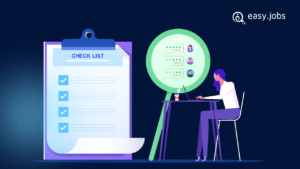
An HR compliance checklist is a simple list of rules and tasks that HR teams follow to make sure a company is doing things the right way when managing employees. It helps recruiters and HR managers remember the important steps they must take during hiring, onboarding, payroll, employee management and workplace policies.
Think of it like a guide that helps HR teams stay organized and avoid mistakes. Instead of trying to remember every rule, they can follow the checklist to make sure nothing important is missed. This makes it easier to handle employee documents, follow labor laws and maintain fair workplace practices.
Using an HR compliance checklist helps companies stay legally compliant, protect employees and run HR operations smoothly. It also gives HR teams confidence that they are following the right processes at every stage of the employee lifecycle.
Why HR Compliance Matters for Recruiters & HR Teams
HR compliance helps recruiters and HR teams make sure the workplace follows the right rules and treats employees fairly. When companies follow proper HR practices, employees feel safer, respected and more confident in their workplace.
For recruiters, compliance starts from the very beginning of the hiring process. Job descriptions should be clear and fair, hiring decisions should avoid discrimination and candidate information must be handled carefully. Following these rules helps build a hiring process that is transparent and trustworthy.
For HR teams, compliance continues throughout the employee journey. This includes keeping proper employee records, following payroll laws, maintaining workplace policies, and protecting employee rights. When these areas are managed correctly, organizations can avoid legal problems and create a well-organized workplace.
Top Human Resource Compliance Checklist
An HR compliance checklist helps HR teams make sure a company follows the right rules when managing employees. Instead of remembering many laws and responsibilities separately, HR teams organize them into a few key areas. This makes it easier to review important tasks throughout the employee lifecycle from hiring someone to managing workplace policies and employee records.
To keep things simple and organized, HR professionals usually group compliance responsibilities into six main areas. Each area represents a stage of managing employees where companies must follow specific rules and maintain proper processes.
Below are the six key areas that form the foundation of an HR compliance checklist.
1. Recruitment & Hiring Compliance
The first stage of HR compliance begins during hiring. Recruiters must make sure job postings, interview practices, and hiring decisions follow fair employment laws. This includes avoiding discrimination, protecting candidate information, and ensuring equal opportunity during the recruitment process.
2. Employee Documentation Compliance
Once a candidate becomes an employee, HR teams must maintain proper documentation. This includes employment contracts, identification records, tax forms and policy acknowledgments. Keeping these records organized helps companies stay prepared for audits and legal requirements.
3. Payroll & Compensation Compliance
Companies must follow regulations related to employee wages, working hours, overtime payments and benefits. Payroll records should be accurate and updated regularly to ensure employees are paid correctly and in accordance with labor laws.
4. Workplace Policy Compliance
Organizations must create and maintain clear workplace policies that guide employee behavior and protect employee rights. These policies often include rules about workplace conduct, anti-harassment practices, and disciplinary procedures.
5. Workplace Safety Compliance
Employers are responsible for providing a safe working environment for employees. This includes identifying workplace risks, offering safety training and establishing clear procedures for reporting incidents or accidents.
6. Employee Data Protection & Privacy
HR teams handle sensitive employee information, so protecting that data is essential. Employee records should be stored securely, access should be limited and organizations must follow data protection rules when managing personal information.
HR Audit Checklist: How to Conduct a Compliance Audit
An HR audit is a simple way for organizations to review their HR practices and make sure they are following the right rules. It helps HR teams check whether company policies, employee records and workplace processes are aligned with employment laws and internal policies.
Think of an HR audit like a regular health check for HR operations. By reviewing different HR areas, organizations can find gaps, fix compliance issues early and improve their HR processes before problems grow larger.
Below are some of the key areas HR teams review during an HR compliance audit.
Employee Records & Documentation
HR teams should check whether employee files are complete and properly maintained. This includes employment contracts, identification records, tax forms and policy acknowledgments.
Hiring and Recruitment Practices
Recruitment processes should follow fair hiring guidelines. HR teams should review job descriptions, interview processes and hiring decisions to ensure they follow equal employment opportunity principles.
Payroll and Compensation Records
Payroll processes should be reviewed to ensure employees are paid correctly and in line with wage laws. HR teams should verify salary records, overtime payments and payroll documentation.
Workplace Policies and Procedures
Organizations should review whether workplace policies are updated and clearly communicated to employees. This includes policies related to conduct, harassment prevention and employee behavior.
Compliance with Employment Regulations
HR teams should review whether the company is following relevant employment laws and regulatory requirements. Regular audits help organizations stay compliant and avoid legal risks.
HR Compliance Reporting Requirements
HR compliance does not only involve following workplace rules. Organizations must also track and report certain information to make sure they meet legal and regulatory requirements. This process is known as HR compliance reporting.
Compliance reporting helps organizations keep records about employees, payroll, workplace policies and employment practices. These reports allow companies to show that they are following labor laws and treating employees fairly.
Below are some common areas HR teams monitor when handling compliance reporting.
Employee Information Reporting
HR teams must maintain accurate records of employee details such as job roles, employment status and work eligibility. Keeping this information updated helps organizations maintain transparent employee records.
Payroll & Compensation Reporting
Companies must keep records of employee wages, working hours, overtime payments, and benefits. Accurate payroll reporting ensures employees are paid correctly and helps organizations meet tax and wage regulations.
Workplace Compliance Records
Organizations should maintain reports related to workplace policies, employee complaints and disciplinary actions. These records help demonstrate that the company follows fair workplace practices.
Government & Regulatory Reporting
In some cases, companies must submit reports to government authorities related to employment, taxes or workplace regulations. Proper reporting helps organizations stay compliant and avoid penalties.
HR Legal Compliance Checklist
HR legal compliance means making sure a company follows the employment laws and workplace regulations that apply to its employees. These laws are designed to protect both employees and employers by creating clear rules for hiring, compensation, workplace behavior and employee rights.
For HR teams and recruiters, understanding legal compliance is important because many HR activities, such as hiring employees, managing payroll or handling workplace complaints, must follow specific legal guidelines. When companies follow these laws properly, they reduce the risk of legal disputes, penalties or workplace conflicts.
Below are some key legal areas HR teams should regularly review as part of their HR compliance checklist.
Labor Law Compliance
Organizations must follow labor laws related to working hours, wages, employee classification and workplace rights. HR teams should make sure company policies and practices align with these regulations.
Wage and Hour Regulations
Employers must ensure employees are paid according to minimum wage laws and overtime regulations. Accurate time tracking and payroll management help maintain compliance in this area.
Workplace Discrimination Laws
Employment laws require companies to provide equal opportunities and prevent discrimination during hiring, promotions, compensation and workplace decisions. HR teams should ensure hiring practices and workplace policies support fair treatment.
Employee Rights Protection
Employees have certain rights related to workplace safety, fair treatment and access to company policies. HR teams should maintain clear procedures to address employee concerns and protect these rights.
HR Documents Checklist for Compliance
HR teams manage many important documents throughout the employee lifecycle. Keeping these documents accurate, organized and up to date is an important part of HR compliance. Proper documentation helps organizations maintain clear records and stay prepared for audits or legal reviews.
A structured HR documents checklist helps HR teams track which documents should be collected, stored, and maintained for each employee. It also ensures that important records are not missed during hiring, onboarding, or ongoing employment.
Below are some of the key document areas HR teams should maintain for compliance.
Hiring & Onboarding Documents
During recruitment and onboarding, HR teams should collect important documents related to the hiring process. These may include job offer letters, signed employment agreements, and identification records.
Employee Records
Each employee should have a personal file containing key information about their employment. This often includes job details, contact information, tax forms and company policy acknowledgments.
Payroll & Compensation Records
HR teams should maintain records related to employee salaries, benefits, bonuses and overtime payments. These documents help ensure accurate payroll management and compliance with wage regulations.
Policy Acknowledgment Documents
Employees should confirm that they have received and understood workplace policies such as the employee handbook, workplace conduct rules and other company guidelines. Keeping these acknowledgments helps organizations demonstrate policy compliance.
Human Resources Audit Checklist Explained
A human resources audit helps organizations review their HR processes to make sure everything is working properly and following the right rules. It allows HR teams to check their policies, employee records and workplace practices to see if they meet legal and organizational standards.
Regular HR audits help companies identify gaps or mistakes before they become serious problems. By reviewing HR practices carefully, organizations can improve their processes, strengthen compliance and maintain a fair and organized workplace.
Below are some important areas HR teams review during a human resources audit.
HR Policies And Procedures
HR teams should review company policies to make sure they are clear, updated, and properly communicated to employees. This includes workplace conduct policies, harassment prevention guidelines and employee management procedures.
Employee Classification and Records
Organizations should verify that employees are correctly classified and that their records are complete and accurate. This includes reviewing employment details, contracts and other important documentation.
Compliance with Workplace Regulations
HR audits also check whether company practices follow applicable employment laws and workplace regulations. Reviewing these areas helps organizations reduce legal risks and maintain compliance.
HR Process Effectiveness
An audit also evaluates how well HR processes are working. This includes reviewing recruitment practices, employee management procedures, and overall HR operations to ensure they are efficient and compliant.
Small Business HR Compliance Checklist
Small businesses may have smaller teams, but they still need to follow the same workplace rules as larger organizations. HR compliance helps small businesses manage employees properly, follow employment laws and create a fair and organized work environment.
Because small businesses often have limited HR resources, using a simple HR compliance checklist can help them stay on track. It allows business owners and HR managers to review important responsibilities regularly and make sure key processes are handled correctly.
Below are some important compliance areas small businesses should focus on.
Hiring & Employee Classification
Small businesses should ensure their hiring practices are fair and transparent. Employees should also be correctly classified as full-time, part-time or contract workers according to employment regulations.
Employee Documentation
Even with a small team, companies must maintain proper employee records. This includes employment agreements, identification documents and tax forms.
Payroll & Wage Compliance
Employers must pay employees according to wage laws and maintain accurate payroll records. This includes tracking working hours, overtime payments and benefits.
Workplace Policies
Small businesses should create clear workplace policies that guide employee behavior and workplace expectations. Having basic policies in place helps maintain a professional and compliant work environment.
Employment Law Compliance Checklist
Employment laws set the rules that protect both employees and employers in the workplace. These laws help ensure fair hiring, proper wages, safe working conditions and equal treatment for everyone. For HR teams and recruiters, understanding these laws is an important part of maintaining HR compliance.
An employment law compliance checklist helps organizations review whether their hiring practices, workplace policies and employee management processes follow the required legal standards. Regularly reviewing these areas helps companies avoid legal issues and maintain a fair workplace.
Below are some key areas organizations should review when checking employment law compliance.
Hiring Law Compliance
Recruitment practices should follow fair hiring laws. This means avoiding discrimination during job postings, interviews and hiring decisions and ensuring all candidates are treated equally.
Wage & Compensation Laws
Employers must follow laws related to minimum wage, overtime payments and employee benefits. Maintaining accurate payroll records helps organizations meet these legal requirements.
Workplace Rights & Protections
Employees have rights related to fair treatment, workplace safety and equal opportunity. HR teams should ensure company policies support and protect these rights.
Termination & Exit Procedures
When employees leave the organization, HR teams should follow proper procedures for resignations, terminations and final payments. Clear and consistent processes help maintain compliance with employment regulations.
HR Best Practices Checklist for Modern HR Teams
Along with following laws and regulations, HR teams should also follow best practices that help create a well-organized and positive workplace. These practices support better employee management, clear communication and consistent HR processes.
An HR best practices checklist helps organizations maintain strong HR standards while staying compliant. By following proven HR practices, recruiters and HR managers can improve employee experience, reduce workplace issues and build a more professional work environment.
Below are some important best practices HR teams should regularly review.
Clear HR Policies & Guidelines
Organizations should maintain clear and updated HR policies that explain workplace rules, employee responsibilities and company expectations. These policies help employees understand how the workplace operates.
Employee Training & Awareness
Employees should receive proper training about workplace policies, safety practices and professional conduct. Regular training helps employees understand their responsibilities and follow company guidelines.
Consistent HR Processes
HR teams should follow consistent procedures for hiring, onboarding, performance management and employee communication. Standard processes help reduce confusion and maintain fairness.
Regular HR Reviews & Improvements
HR teams should regularly review their policies and processes to see if improvements are needed. Updating HR practices helps organizations adapt to changes in workplace regulations and employee needs.
HR Manager Checklist for Daily Compliance Tasks
HR managers handle many responsibilities that help keep the workplace organized and compliant. From maintaining employee records to reviewing workplace policies, many small tasks must be completed regularly to ensure HR processes run smoothly.
An HR manager checklist helps HR professionals stay organized by tracking the daily, monthly, and yearly tasks required to maintain compliance. Following a structured checklist makes it easier to monitor HR activities and avoid missing important responsibilities.
Below are some common tasks HR managers review as part of their compliance routine.
Daily HR Compliance Tasks
HR managers may review employee requests, update records, respond to employee concerns, and ensure HR systems are updated with the latest employee information.
Monthly HR Compliance Reviews
Each month, HR teams may review payroll records, check employee documentation and ensure workplace policies are being followed across the organization.
Annual HR Compliance Checks
Once a year, organizations should review major HR areas such as company policies, employee contracts, workplace safety procedures and compliance with employment regulations. These reviews help ensure the organization remains compliant as laws and workplace needs change.
Common HR Compliance Mistakes Organizations Should Avoid
Even when HR teams try their best to follow workplace rules, some common mistakes can still happen. These mistakes often occur when processes are not clearly organized or when important HR tasks are overlooked. Understanding these issues helps organizations prevent compliance problems before they become serious.
By regularly reviewing HR practices and using a clear checklist, companies can avoid many of these common compliance mistakes.
Incomplete Employee Documentation
One common issue is missing or incomplete employee records. If important documents such as employment contracts, tax forms, or policy acknowledgments are not properly stored, it can create problems during audits or legal reviews.
Misclassification of Employees
Employees must be correctly classified based on their work status, such as full-time, part-time, or contract workers. Incorrect classification can lead to payroll issues and legal complications.
Outdated HR Policies
Workplace laws and regulations can change over time. If HR policies are not reviewed and updated regularly, organizations may unknowingly follow outdated practices.
Lack of Compliance Monitoring
Without regular reviews or audits, small compliance issues can go unnoticed. Consistent monitoring helps HR teams identify gaps early and maintain proper workplace standards.
Tools That Help Manage HR Compliance Efficiently
Managing HR compliance can become challenging when many employee records, policies, and processes need to be tracked. Using the right tools can help HR teams stay organized and ensure important compliance tasks are completed on time.
HR tools and software allow organizations to store documents, track employee information, and monitor HR activities in one place. This makes it easier for HR teams to manage compliance while reducing manual work.
Below are some common tools that help organizations manage HR compliance more efficiently.
HR Management Software
HR management software helps organizations manage employee records, payroll, benefits, and overall HR operations in one system.
Examples:
- BambooHR
- Workday
- Zoho People
Hiring & Recruitment Software
Recruitment software helps companies manage job postings, screen candidates and track applicants throughout the hiring process.
Examples:
- easy.jobs
- Workable
- Indeed
Document Management Systems
Document management tools help HR teams securely store and organize employee documents such as contracts, policy acknowledgments and tax records.
Examples:
- Google Drive
- SharePoint
- DocuWare
HR teams often use different tools to keep hiring, employee records and compliance tasks organized. These tools help automate routine processes, securely store important documents and track HR activities across the organization. By using the right HR and recruitment software, companies can manage compliance more efficiently while reducing manual work and administrative errors.
Build a Compliant & Well-Organized Workplace Compliance
HR compliance plays an important role in helping organizations manage employees fairly and responsibly. From hiring practices to employee records and workplace policies, following the right HR processes helps companies create a safe, organized and legally compliant work environment.
Using a structured HR compliance checklist makes it easier for recruiters and HR teams to review important tasks and ensure that nothing is overlooked. By regularly checking hiring practices, documentation, payroll processes and workplace policies, organizations can reduce risks and maintain strong HR standards.
When HR teams stay consistent with compliance practices, they not only avoid legal issues but also build a workplace where employees feel respected, protected and supported. If you found this guide helpful, consider subscribing to our blog for more HR insights and joining our Facebook community to connect with other HR professionals.