Tujuh orang dipekerjakan melalui LinkedIn setiap menitnya. Itu bukan klaim pemasaran, melainkan data dari platform itu sendiri. data operasional dan ini menandakan sesuatu yang perlu dipahami oleh setiap manajer perekrutan: perang talenta sekarang diperjuangkan di LinkedIn dan Anda menang atau kalah tergantung pada seberapa baik Anda menguasainya.
Namun sebagian besar manajer perekrutan masih memperlakukan LinkedIn seperti papan lowongan kerja. Pasang lowongan, tunggu lamaran, wawancarai siapa pun yang datang. Itu bukanlah strategi. Itu hanyalah angan-angan.
Panduan ini menguraikan secara rinci Strategi perekrutan LinkedIn yang benar-benar berhasil tahun ini. Mulai dari membangun kehadiran perusahaan yang magnetis hingga mencari talenta pasif, membuat InMail yang mendapatkan balasan, dan menggunakan alat AI untuk memangkas waktu perekrutan hingga setengahnya. Jika Anda sedang membangun kerangka kerja akuisisi talenta Bersamaan dengan taktik-taktik ini, keduanya saling melengkapi dengan baik.
Ringkasan Singkat: Strategi Rekrutmen LinkedIn (Panduan 2026)
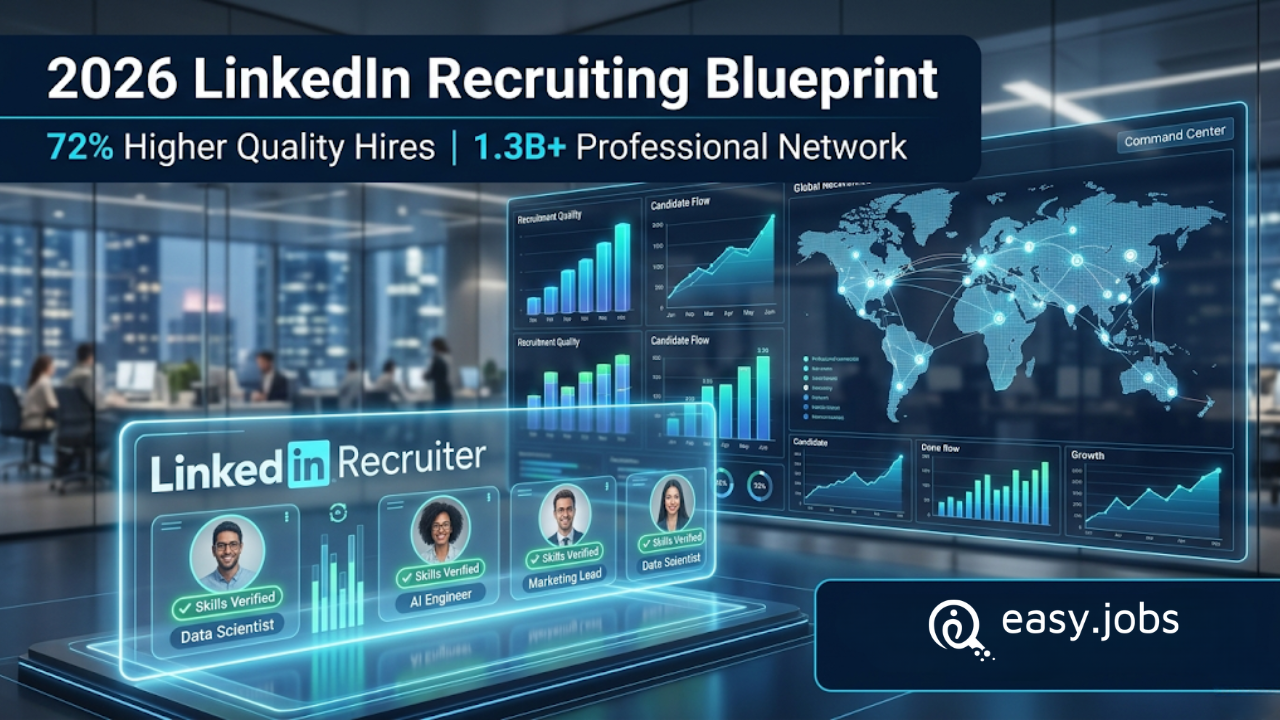
Pada tahun 2026, LinkedIn telah berkembang menjadi "infrastruktur perekrutan" dengan lebih dari 1,3 miliar anggota. Panduan ini menguraikan bagaimana manajer perekrutan dapat beralih dari sekadar memposting lowongan kerja secara pasif ke akuisisi talenta yang proaktif dan berbasis data.
Strategi Inti: 10 Pilar Taktis
- Menargetkan Talenta Pasif: Sejak 70% dari angkatan kerja Jika tidak secara aktif mencari, kesuksesan membutuhkan pencarian proaktif melalui LinkedIn Recruiter, dengan fokus pada... filter berbasis keterampilan alih-alih hanya jabatan pekerjaan.
- Upaya Penjangkauan dengan Konversi Tinggi: InMail yang efektif mencapai Tingkat respons 18–25% dengan menggunakan judul subjek yang spesifik, memulai dengan pengamatan yang berfokus pada kandidat, dan membuat "permintaan yang jelas" tanpa hambatan (misalnya, panggilan 15 menit).
- Merek Perusahaan: Halaman perusahaan yang "magnetik" berfungsi sebagai etalase toko. Kesuksesan didorong oleh konten yang dihasilkan karyawan, yang mengungguli postingan bermerek sebesar 59% dalam hal kepercayaan kandidat.
- Perekrutan Berdasarkan Keterampilan: 75% perekrut sekarang memprioritaskan keterampilan daripada gelar. Deskripsi pekerjaan harus berfokus pada hasil (apa yang akan mereka capai) daripada kualifikasi (di mana mereka bersekolah).
- Integrasi AI: Fitur seperti "Asisten Rekrutmen" LinkedIn dapat menghemat hingga 20% dari minggu kerja dengan mengotomatiskan penyaringan kandidat, penjadwalan, dan penyusunan InMail.
Tolok Ukur Kinerja Utama
| Metrik | Tujuan/Tolok Ukur |
| Tingkat Respons InMail | 18–25% (Target >30%) |
| Jangkauan Berbayar | Postingan yang dipromosikan menjangkau 3,8 kali lebih banyak kandidat yang berkualitas. |
| Waktu Perekrutan | Dapat dikurangi dari 38 hari menjadi 18 hari dengan alat AI/berbayar. |
LinkedIn bukan lagi sekadar papan lowongan kerja; ini adalah medan pertempuran. Untuk menang, manajer perekrutan harus memperlakukan setiap titik kontak, mulai dari bagian "Tentang Kami" perusahaan hingga InMail tindak lanjut, sebagai bagian yang disengaja dari pengalaman kandidat. Mulailah dengan mengoptimalkan profil Anda, lalu otomatiskan tugas-tugas "minim penilaian" dengan AI untuk fokus pada koneksi manusia yang bernilai tinggi.
Mengapa Strategi Rekrutmen LinkedIn Lebih Penting dari Sebelumnya di Tahun 2026
LinkedIn adalah rumah bagi lebih dari 65 juta pengambil keputusan dan 10 juta eksekutif tingkat C, menjadikannya kumpulan talenta profesional paling terkonsentrasi di dunia. Dengan LinkedIn secara resmi melampaui 1,3 miliar total anggota pada tahun 2025, setiap manajer perekrutan kini, secara teori, memiliki akses ke jaringan kandidat terluas yang pernah ada.
Namun akses tidak sama dengan hasil. Persaingan semakin ketat. Kuartal ke-3 tahun 2024 Terjadi peningkatan aplikasi sebesar 45,51 TP3T meskipun terjadi penurunan lowongan pekerjaan sebesar 10,61 TP3T. Artinya, lebih banyak kandidat yang memperebutkan lebih sedikit posisi, yang secara paradoks membuat pencarian orang yang tepat menjadi lebih sulit, bukan lebih mudah. Suara bising semakin keras. Sinyal harus lebih cerdas.
Jadi, apa yang membedakan manajer perekrutan yang secara konsisten menemukan orang-orang hebat dari mereka yang kesulitan mengisi posisi? Strategi. Secara spesifik, serangkaian strategi perekrutan LinkedIn yang disengaja dan didukung data yang memperlakukan setiap titik kontak, dari halaman perusahaan Anda hingga baris subjek InMail Anda, sebagai keunggulan kompetitif. kerangka kerja perekrutan modern Semua pekerjaan yang dilakukan saat ini berpusat di LinkedIn.
Sebanyak 891.000 perekrut menggunakan LinkedIn sebagai platform pencarian utama mereka, yang berarti setiap perusahaan yang Anda saingi untuk mendapatkan talenta juga ada di sana. Platform ini bukan pilihan. Ini adalah medan pertempuran. Dan sisa panduan ini adalah buku taktik Anda.
Manajer perekrutan yang menerapkan setidaknya 5 dari 10 strategi dalam panduan ini melaporkan waktu pengisian posisi yang jauh lebih singkat dan tingkat penerimaan tawaran yang lebih tinggi, berdasarkan laporan gabungan dari para praktisi di seluruh studi tolok ukur LinkedIn sendiri.
Bagaimana Cara Membangun Profil Perusahaan yang Menarik Kandidat Terbaik?
Sebanyak 621.300 perusahaan mengatakan LinkedIn menghasilkan prospek dan perekrutan lebih efektif daripada platform lainnya., lebih dari 2 kali lebih tinggi dibandingkan dengan jejaring sosial terdekat berikutnya. Namun angka tersebut mengasumsikan kehadiran perusahaan Anda benar-benar efektif. Bagi banyak organisasi, kenyataannya tidak demikian.
Halaman Perusahaan LinkedIn Anda adalah hal pertama yang diperiksa oleh kandidat serius sebelum membalas kontak Anda atau mengklik tombol "“Menerapkan.”Anggaplah ini bukan seperti brosur perusahaan, melainkan lebih seperti etalase toko. Jika apa yang ada di balik kaca terlihat usang, generik, atau kosong, orang-orang yang berkualitas akan melewatinya. Halaman yang kuat juga merupakan fondasi dari keseluruhan citra Anda. strategi branding perusahaan, Oleh karena itu, ada baiknya untuk melakukannya dengan benar sejak awal.
Apa yang Termasuk dalam Profil Perusahaan dengan Konversi Tinggi?
Untuk mengubah halaman perusahaan Anda dari brosur digital menjadi aset perekrutan berkinerja tinggi, Anda harus fokus pada keaslian dan keterlibatan strategis. Menggabungkan elemen-elemen inti berikut akan memastikan profil Anda berfungsi sebagai "etalase" yang efektif yang mengubah pengunjung biasa menjadi pelamar serius:
1. Bagian “Tentang Kami” yang Menarik
Lewati pernyataan misi yang klise. Mulailah dengan apa yang membuat bekerja di perusahaan Anda benar-benar berbeda, lintasan pertumbuhan, budaya, dan masalah yang sedang dipecahkan tim Anda. Tulislah untuk kandidat senior yang skeptis, bukan sekadar daftar periksa HR.
2. Konten Kisah Karyawan & Budaya
Unggahan yang menampilkan karyawan sungguhan mengungguli konten bermerek dengan selisih yang signifikan. 59% dari para pembuat keputusan Mereka lebih menyukai konten dari kreator individu daripada akun merek, dan preferensi itu juga berlaku bagi kandidat yang sedang mengevaluasi perusahaan tempat mereka bekerja.
3. Konsistensi dalam Pengunggahan
Halaman yang menerbitkan konten setidaknya setiap minggu akan tetap diingat oleh pengikutnya dan menandakan bahwa organisasi tersebut aktif dan terlibat, bukan tidak aktif.
4. Halaman Unggulan untuk Divisi Tertentu
Jika Anda adalah organisasi besar, halaman khusus untuk setiap unit bisnis atau departemen memungkinkan kandidat menemukan citra perusahaan yang lebih tepat sasaran dan sesuai dengan fungsi mereka.
Berdasarkan Data Solusi Talenta LinkedIn 2025, Perusahaan dengan Halaman Perusahaan yang lengkap dan diperbarui secara berkala menerima 2x lebih banyak pelamar per lowongan daripada perusahaan dengan profil yang tidak aktif, yang menggarisbawahi bahwa branding perusahaan bukanlah sekadar hal yang bagus untuk dimiliki, melainkan pengganda rekrutmen.
Membangun Halaman Perusahaan yang lengkap dan diperbarui secara berkala merupakan faktor pengali perekrutan yang mendasar. Dengan menjauhi konten yang usang atau standar, Anda selaras dengan data sebelumnya yang menunjukkan bahwa profil aktif menerima dua kali lebih banyak pelamar per lowongan dibandingkan profil yang tidak aktif.
Pada akhirnya, kehadiran yang dikelola dengan baik di LinkedIn memastikan bahwa ketika talenta terbaik melihat "di balik layar," mereka menemukan budaya dan misi yang benar-benar ingin mereka ikuti.
Apa Cara Paling Efektif untuk Mendapatkan Talenta Pasif di LinkedIn?
70% dari angkatan kerja global adalah talenta pasif, para profesional yang tidak aktif mencari peran baru. Itulah mayoritas orang yang paling ingin Anda pekerjakan. Mereka tidak menelusuri papan lowongan kerja. Mereka tidak menanggapi iklan lowongan kerja generik.“Kami sedang membuka lowongan pekerjaan.!” unggahan. Menjangkau mereka membutuhkan pendekatan yang fundamentally berbeda untuk perekrutan di LinkedIn.
Alat intinya adalah Perekrut LinkedIn, rangkaian pencarian premium platform ini. Kemampuan pencarian Boolean-nya memungkinkan Anda untuk memfilter berdasarkan jabatan, keterampilan, lokasi, industri, masa kerja, tahun pengalaman, dan puluhan variabel lainnya.
LinkedIn Recruiter menghasilkan tingkat respons InMail 49% lebih tinggi daripada InMail standar karena ketepatan penargetan berarti pesan Anda menjangkau orang-orang yang benar-benar relevan dan relevansi tersebut diterjemahkan menjadi balasan. Setelah Anda membangun alur kerja pencarian kandidat, menggabungkannya dengan strategi yang kuat... pesan penjangkauan kandidat pasif Meningkatkan konversi dari kontak menjadi percakapan secara dramatis.
Taktik Pengadaan yang Efektif di Tahun 2026
Taktik-taktik berikut mewakili cara-cara paling efektif untuk menjangkau demografi ini pada tahun 2026:
1. Penyaringan Berdasarkan Keterampilan, Bukan Pencocokan Judul
Jabatan sangat bervariasi di berbagai perusahaan. Seorang "Growth Lead" di satu perusahaan rintisan melakukan pekerjaan yang sama dengan "VP Marketing" di perusahaan rintisan lainnya. Saring berdasarkan keterampilan yang terverifikasi sebagai gantinya. Perekrut yang mencari berdasarkan keterampilan daripada kualifikasi 12% lebih mungkin untuk mempekerjakan orang yang tepat untuk peran tersebut.
2. Penargetan Jaringan Alumni
Mantan karyawan perusahaan pesaing atau perusahaan yang dikenal dengan pelatihan yang sangat baik merupakan kandidat yang sangat kuat. Filter alumni LinkedIn adalah fitur berharga yang kurang dimanfaatkan.
3. “Penargetan Sinyal ”Terbuka untuk Bekerja”
Pengguna dengan fitur “Siap Bekerja” yang diaktifkan menerima 52% lebih banyak pesan InMail dari perekrut, tetapi data juga menunjukkan bahwa kandidat ini 17% lebih mungkin untuk mengikuti wawancara, mereka benar-benar terlibat.
4. Pencarian Tersimpan Kumpulan Bakat
Siapkan peringatan otomatis agar ketika kandidat yang sesuai dengan kriteria Anda memperbarui profil mereka atau memberi sinyal pencarian pekerjaan, Anda akan diberi tahu terlebih dahulu. Keunggulan sebagai pelopor dalam pencarian pasif itu nyata.
Dengan memanfaatkan metode penargetan yang tepat ini, perekrut dapat mencapai tingkat respons InMail 49% lebih tinggi daripada pendekatan standar, mengubah kontak pasif menjadi percakapan profesional yang aktif.
Bagaimana Cara Menulis InMail yang Benar-Benar Mendapatkan Balasan?
Sebagian besar InMail gagal bukan karena kandidat tidak tertarik, tetapi karena pesan tersebut terbaca seperti pesan perekrut lainnya di kotak masuk mereka. LinkedIn InMail mencapai tingkat respons 18–25%, dibandingkan dengan email dingin yang biasanya hanya 1–5%. Tetapi hanya jika pesan tersebut dibuat dengan cermat. InMail yang asal-asalan akan menghasilkan angka yang jauh lebih buruk.
Berikut adalah hal-hal yang secara konsisten ditunjukkan oleh data dan pengalaman praktisi sebagai hal yang efektif:
Judul Subjek: Spesifik Lebih Penting daripada Cerdas
“Pertanyaan singkat tentang pekerjaan Anda di [Perusahaan]” jauh lebih efektif daripada “Kesempatan Menarik!”. Kekhususan menunjukkan bahwa Anda benar-benar telah melihat profil mereka. Ketidakjelasan menandakan pengiriman pesan massal.
Mulailah dengan Mereka, Bukan dengan Diri Anda Sendiri
Sebagian besar perekrut memulai dengan "Saya bekerja di [Perusahaan], dan kami sedang mencari…" Ubahlah. Mulailah dengan pengamatan tulus tentang latar belakang kandidat: "Pengalaman Anda dalam mengembangkan tim data di [Perusahaan] menarik perhatian saya. Kami sedang memecahkan masalah serupa di sini."“
Satu Permintaan yang Jelas
Jangan menawarkan seluruh peran, sejarah perusahaan, dan kisaran kompensasi dalam satu pesan. Mintalah panggilan selama 15 menit. Itu saja. Menurunkan komitmen akan meningkatkan tingkat respons.
Personalisasi dalam Skala Besar
Ya, Anda memang mengirimkan banyak pesan. Tetapi bahkan satu kalimat yang dipersonalisasi, nama perusahaan tempat mereka bekerja saat ini, proyek terbaru, atau koneksi yang sama, dapat meningkatkan tingkat balasan secara signifikan. Kami membahas hal ini secara mendalam dalam panduan kami tentang... menulis pesan InMail yang menghasilkan konversi, termasuk templat siap cetak untuk berbagai jenis peran.
Lakukan tindak lanjut sekali lagi
Tindak lanjut singkat satu kali tiga hingga lima hari kemudian (“Sekadar mengingatkan kembali: dengan senang hati akan berbagi detail lebih lanjut jika bermanfaat”) bersifat profesional dan memulihkan sekitar 15–20% dari pasien yang tidak merespons.
InMail dengan performa terbaik yang telah kami analisis memiliki satu ciri struktural: mereka menjawab pertanyaan tersirat kandidat, “Mengapa saya harus peduli tentang ini sekarang?” dalam dua kalimat pertama. Segala hal lainnya bersifat sekunder.
Strategi rekrutmen LinkedIn apa yang paling efektif untuk perekrutan berdasarkan keterampilan?
Pergeseran dari persyaratan gelar merupakan salah satu perubahan struktural paling signifikan dalam perekrutan profesional dalam satu generasi. Sebanyak 261.000 lowongan pekerjaan berbayar pada tahun 2024 tidak memerlukan gelar. Peningkatan sebesar 161.000 dari tahun 2020. Dan pergeseran ini bukan hanya tentang akses atau keragaman, meskipun manfaat tersebut nyata. Ini tentang menemukan orang-orang yang benar-benar mampu melakukan pekerjaan tersebut.
Lowongan pekerjaan kini 54 kali lebih mungkin mencantumkan "pengembangan hubungan" sebagai keterampilan yang dibutuhkan dibandingkan lima tahun lalu. Seiring dengan semakin banyaknya tugas teknis dan berbasis proses yang ditangani AI, kemampuan manusia: komunikasi, penilaian, dan kemampuan beradaptasi, telah menjadi pembeda yang sebenarnya. Jika Anda ingin memperbarui deskripsi pekerjaan Anda untuk mencerminkan pergeseran ini, kami templat deskripsi pekerjaan yang berfokus pada hasil merupakan titik awal yang praktis.

Cara Mengoperasionalkan Strategi Rekrutmen Berbasis Keterampilan di LinkedIn
Dunia profesional sedang mengalami pergeseran struktural yang signifikan karena para manajer perekrutan beralih dari persyaratan gelar tradisional untuk fokus pada pencarian kandidat yang dapat secara praktis melaksanakan tugas. Untuk mengoperasionalkan perekrutan berbasis keterampilan secara efektif di LinkedIn, pertimbangkan strategi-strategi yang telah terbukti berikut ini:
Tulis Ulang Deskripsi Pekerjaan Berdasarkan Hasil, Bukan Kualifikasi
Alih-alih "Pengalaman 5+ tahun dan gelar sarjana di bidang pemasaran," cobalah "Kemampuan yang terbukti untuk meningkatkan trafik organik sebesar 30%+ menggunakan konten dan SEO, kami akan meminta contoh dalam wawancara."“
Gunakan Filter Penilaian Keterampilan LinkedIn
Kandidat yang telah lulus tes keterampilan terverifikasi LinkedIn akan muncul dalam pencarian yang difilter. Ini adalah sinyal kualitas yang ringan namun bermakna, terutama untuk peran teknis.
Membangun Jalur Pengembangan Bakat yang Sesuai dengan Keterampilan.
Identifikasi 5–8 keterampilan yang dimiliki oleh karyawan berkinerja terbaik Anda. Buat pencarian tersimpan berdasarkan keterampilan spesifik tersebut dan kembangkan kumpulan keterampilan itu dari waktu ke waktu. Bahkan ketika Anda tidak memiliki lowongan pekerjaan.
Tinjau Sinyal Portofolio, Bukan Hanya Judul
Bagian unggulan pada profil LinkedIn sering kali mencakup contoh pekerjaan, studi kasus, artikel yang diterbitkan, dan tautan proyek. Hal-hal ini seringkali lebih prediktif terhadap kemampuan daripada riwayat pekerjaan saja.
Laporan Intelijen Pembelajaran dan Keterampilan LinkedIn Maret 2026 menemukan bahwa 890 juta penambahan keterampilan individu tercatat di platform tersebut hanya pada tahun 2025. Dengan AI, analisis data, dan rekayasa cepat yang memimpin semua kategori. Bagi manajer perekrutan, data ini merupakan peta langsung tentang di mana pasokan talenta kandidat sebenarnya berkembang.
Bagaimana Alat AI Dapat Mempercepat Proses Rekrutmen LinkedIn Anda?
37% organisasi kini mengintegrasikan AI generatif ke dalam alur kerja perekrutan mereka, dengan perekrut yang menggunakan alat-alat ini menghemat hampir 20% waktu kerja mingguan mereka. Secara efektif, mereka dapat menghemat satu hari kerja penuh untuk aktivitas yang lebih strategis. AI tidak menggantikan perekrut. AI memampatkan bagian pekerjaan yang memakan waktu dan membutuhkan sedikit pertimbangan. Untuk perbandingan alat-alat yang tersedia saat ini, lihat artikel kami. Perbandingan alat perekrutan berbasis AI Mencakup apa yang layak dibayar untuk setiap ukuran tim.
Berikut cara para manajer perekrutan paling efektif menggunakan AI dalam strategi perekrutan LinkedIn mereka saat ini:
Penyaringan Kandidat dengan Bantuan AI
Alat seperti Asisten Perekrutan LinkedIn menggunakan input bahasa alami, misalnya, “Temukan saya seorang manajer produk dengan pengalaman B2B SaaS dan rekam jejak dalam meluncurkan produk dari 0 hingga 1”, dan menampilkan kandidat yang sesuai, yang diberi peringkat berdasarkan relevansi. Kueri bahasa alami seperti “Temukan saya seorang manajer pemasaran di Austin yang menguasai Python” kini dimungkinkan dalam pencarian bawaan LinkedIn.
Penjadwalan Wawancara Otomatis
Mengintegrasikan LinkedIn dengan alat kalender menghilangkan proses bolak-balik yang menambah hari pada jadwal perekrutan Anda. Ketika kandidat menerima InMail, mereka dapat menjadwalkan sendiri pertemuan langsung ke kalender Anda.
Pembuatan Draf InMail dalam Skala Besar
Asisten penulisan AI dapat menghasilkan draf InMail pertama yang dipersonalisasi berdasarkan data profil LinkedIn kandidat. Anda meninjau, menyempurnakan, dan mengirim, tetapi Anda tidak memulai dari layar kosong untuk setiap 50 kandidat dalam daftar kontak Anda.
Analisis Pipeline Prediktif
LinkedIn Talent Insights menunjukkan kepada Anda di mana kandidat berkinerja terbaik untuk peran tertentu terkonsentrasi, perusahaan mana yang kehilangan talenta, dan bagaimana tren merek perusahaan Anda dibandingkan dengan pesaing. Itu adalah informasi yang tidak mungkin Anda manfaatkan lima tahun lalu.
Perusahaan yang menghabiskan antara $500 dan $1.500 per postingan yang dipromosikan melaporkan pengurangan rata-rata waktu perekrutan sebesar 52%, dari 38 hari menjadi 18 hari. Alur kerja yang dibantu AI semakin memperkuat peningkatan dasar tersebut.
Metrik apa saja yang harus dipantau oleh manajer perekrutan untuk kesuksesan rekrutmen di LinkedIn?
Laporan LinkedIn tentang Masa Depan Perekrutan 2025 menemukan bahwa 891.000 pemimpin akuisisi talenta mengatakan bahwa mengukur kualitas perekrutan semakin penting, namun hanya 251.000 yang merasa sangat yakin dengan kemampuan mereka saat ini untuk mengukurnya. Kesenjangan antara mengetahui bahwa pengukuran itu penting dan benar-benar melakukannya dengan baik adalah di mana sebagian besar program perekrutan gagal. Panduan khusus kami tentang metrik dan KPI perekrutan sosial Penjelasan lebih mendalam akan diberikan jika Anda menginginkan kerangka pengukuran yang lengkap.
Metrik yang tepat bergantung pada tujuan Anda, tetapi berikut ini adalah metrik yang membedakan manajer perekrutan berbasis data dari yang lainnya:
Tingkat Respons InMail
Patokan: 18–25% untuk InMail yang dipersonalisasi. Jika Anda di bawah 15%, pesan Anda perlu diperbaiki. Jika Anda di atas 30%, Anda telah menemukan formula yang dapat diulang dan layak didokumentasikan.
Tingkat Konversi Sumber ke Rekrutmen
Berapa persentase kandidat yang bersumber dari LinkedIn yang berhasil lolos proses seleksi hingga mendapatkan tawaran pekerjaan? Ini menunjukkan apakah proses pencarian kandidat Anda terkontrol kualitasnya atau hanya sekadar volume besar.
Waktu untuk Respons Pertama
Seberapa cepat tim Anda merespons pelamar sangatlah penting. Kandidat cepat kehilangan minat. Kandidat terbaik, yang sering kali melakukan beberapa percakapan secara paralel, akan pergi paling cepat.
Tingkat Penerimaan Penawaran
Tingkat penerimaan yang rendah sering kali menandakan ketidaksesuaian antara peran yang dipasarkan di LinkedIn dan apa yang sebenarnya dialami kandidat selama proses tersebut. Ini adalah sinyal untuk meninjau kembali deskripsi pekerjaan dan pengalaman wawancara Anda.
Kualitas Rekrutmen (Kinerja 90 Hari & 1 Tahun)
Indikator tertinggal yang coba diprediksi oleh semua metrik lainnya. Melacaknya dengan disiplin akan menutup siklus umpan balik pada seluruh strategi perekrutan LinkedIn Anda.
Manajer perekrutan yang meninjau metrik InMail mereka setiap bulan, bukan setiap kuartal, secara konsisten dapat mendeteksi penyimpangan pesan sejak dini. Tingkat respons menurun secara bertahap ketika bahasa templat menjadi usang, dan tinjauan bulanan memungkinkan Anda untuk melakukan koreksi sebelum prospek penjualan menurun drastis.
Pertanyaan yang Sering Diajukan tentang Strategi Rekrutmen di LinkedIn
Pertanyaan yang sering diajukan berikut ini memberikan kejelasan tentang cara menerapkan strategi perekrutan LinkedIn yang efektif untuk berbagai ukuran bisnis dan jenis peran:
Apa Saja Strategi Rekrutmen LinkedIn yang Paling Efektif untuk Bisnis Kecil?
Bisnis kecil paling efektif bersaing dengan mengandalkan keaslian. Konten yang dibuat oleh pendiri atau karyawan tentang budaya dan pekerjaan sehari-hari secara konsisten mengungguli konten perusahaan yang dipoles.
Menurut LinkedIn Talent Solutions (2025), halaman perusahaan yang lengkap menghasilkan 2x lebih banyak pelamar per lowongan, sebuah keuntungan gratis yang dapat diimplementasikan oleh bisnis mana pun segera tanpa memandang anggaran.
Berapa Biaya LinkedIn Recruiter dan Apakah Layak Digunakan oleh Manajer Perekrutan?
LinkedIn Recruiter Lite dimulai dari sekitar $170/bulan dan paket lengkap Recruiter mulai dari $825+/bulan per pengguna. Mengingat biaya rata-rata perekrutan secara nasional adalah $4.700 (SHRMMeskipun alat berbayar LinkedIn dapat mempercepat proses perekrutan hingga beberapa minggu, perhitungan ROI biasanya menguntungkan akses premium untuk tim yang mengisi lebih dari 3-5 posisi per tahun.
Bagaimana Anda menjangkau kandidat pasif yang tidak melamar pekerjaan Anda?
70% dari tenaga kerja global adalah talenta pasif. Untuk menjangkau mereka, bangun merek perusahaan yang kuat melalui konten yang konsisten, gunakan peringatan pencarian tersimpan LinkedIn Recruiter untuk memantau sinyal profil, dan kirim InMail yang dipersonalisasi yang diawali dengan pengamatan tulus tentang latar belakang spesifik mereka, bukan penawaran umum.
Apa Cara Terbaik untuk Menulis Lowongan Kerja di LinkedIn yang Menarik Pelamar Berkualitas?
Fokuslah pada hasil daripada kualifikasi. Utamakan apa yang diberikan peran tersebut kepada kandidat (pertumbuhan, dampak, kisaran kompensasi), bukan hanya apa yang Anda butuhkan dari mereka. Iklan lowongan kerja yang dipromosikan kini menjangkau 3,8 kali lebih banyak pelamar yang berkualitas daripada lowongan yang tidak berbayar, jadi berinvestasi dalam promosi berbayar untuk peran yang sulit diisi atau berprioritas tinggi memberikan peningkatan yang terukur.
Bagaimana Strategi Rekrutmen LinkedIn Berbeda untuk Posisi Senior dibandingkan Posisi Tingkat Pemula?
Posisi senior hampir sepenuhnya membutuhkan pencarian kandidat secara proaktif, yaitu menghubungi langsung talenta pasif yang tidak sedang mencari pekerjaan. Posisi tingkat pemula lebih diuntungkan dari iklan lowongan kerja yang ditulis dan dipromosikan dengan baik, serta konten branding perusahaan yang menarik pelamar aktif.
Metrik yang digunakan juga berbeda: pencarian untuk posisi senior memprioritaskan kualitas kecocokan; sedangkan pencarian untuk posisi pemula sering kali mengoptimalkan volume dan kecepatan.
Bangun Alur Bakat Terbaik dengan Strategi Perekrutan yang Tepat
Kesuksesan di pasar talenta tahun 2026 membutuhkan pergeseran dari mentalitas "pasang iklan dan berharap". Dengan mengintegrasikan pencarian berdasarkan keterampilan, otomatisasi berbasis AI, dan pendekatan yang mengutamakan kandidat, Anda mengubah proses perekrutan dari tugas reaktif menjadi mesin pertumbuhan yang terukur. Strategi yang diuraikan dalam panduan ini bukan hanya tentang mengisi lowongan yang ada. Strategi ini tentang membangun kehadiran yang berkelanjutan dan berkualitas tinggi yang menarik para profesional terbaik dunia ke tim Anda.
Pada akhirnya, kemampuan Anda untuk berkembang bergantung pada kekuatan orang-orang yang Anda rekrut. Menerapkan taktik LinkedIn ini memastikan bahwa Anda tidak hanya menjangkau lebih banyak kandidat, tetapi juga kandidat yang tepat, yaitu mereka yang memiliki keterampilan khusus dan keselarasan budaya yang dibutuhkan untuk mendorong organisasi Anda maju. Mulailah mengoptimalkan titik kontak Anda hari ini dan ubah kehadiran LinkedIn Anda menjadi keunggulan kompetitif terkuat Anda.
Jika Anda merasa panduan ini bermanfaat, berlangganan blog kami Untuk mendapatkan informasi terbaru tentang pertumbuhan perekrutan dan kiat-kiat pencarian kandidat. Untuk diskusi dan berjejaring secara langsung dengan sesama profesional, bergabunglah dengan kami. Komunitas Facebook untuk tetap selangkah lebih maju.