Thinking about a career where people skills meet business impact? Recruitment offers fast entry, real growth and long-term flexibility but only if you understand how it truly works. This How to become a recruiter guide walks you step by step through the realities, skills, tools and career paths you need to succeed from beginner to expert.
TL;DR: How to Become a Recruiter (Beginner to Expert)
Recruitment is a dynamic, performance-driven career that connects talent with business needs. It is not just “HR admin“. It is a high-impact role sitting at the intersection of sales, operations and people management.
Key Takeaways:
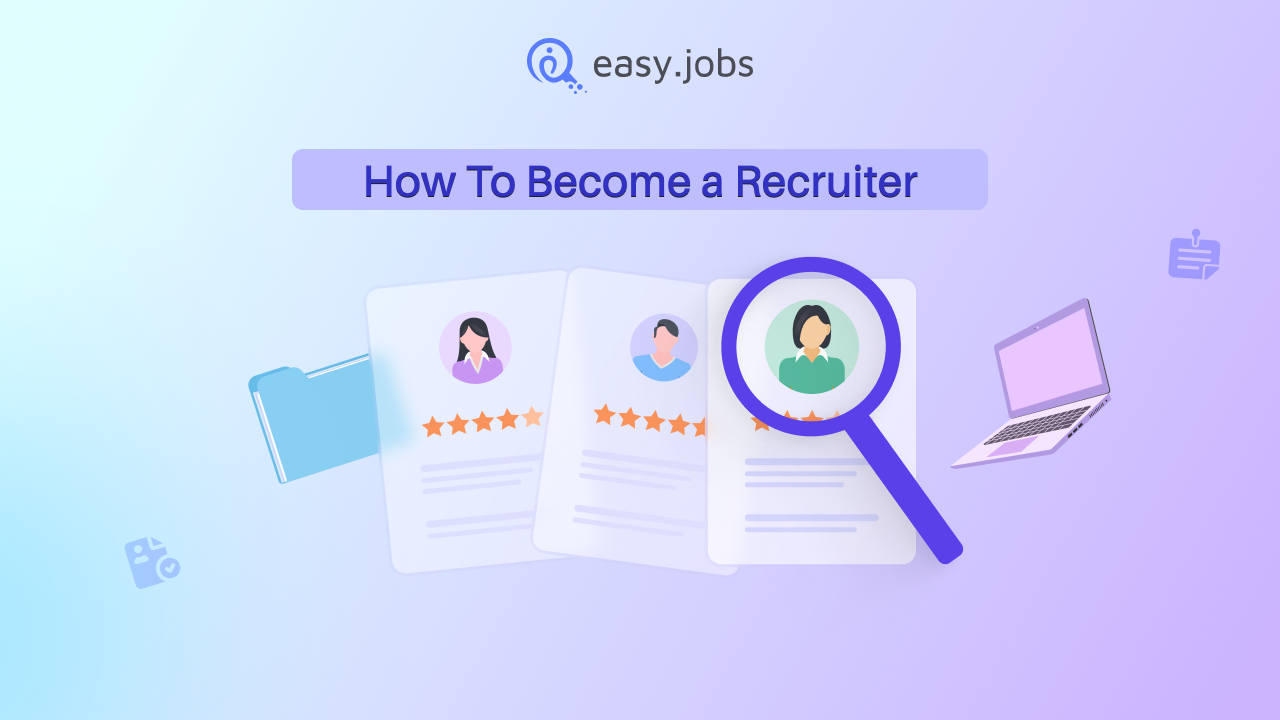
- The Workflow: Recruitment follows a 5-step cycle: Understanding the Need → Sourcing Candidates → Screening → Coordinating Interviews → Closing the Offer.
- Entry Paths: You do not need a specific degree. Most people enter via Agencies (fast-paced, high commission) or In-House roles (stability, cultural focus).
- Essential Skills: Success is built on clear communication, resilience against rejection and strong organizational habits. Advanced recruiters move into specializations (Technical, Executive) or Leadership (Strategy, Management).
- The Reality Check: It involves high pressure and unpredictability (e.g., candidate “ghosting“), but offers fast career progression and transferable skills.
- Tools: Modern recruiters leverage ATS (Applicant Tracking Systems), Sourcing platforms and AI, though human judgment remains the core of the job.
If you enjoy influencing others, handling change and working toward measurable goals, recruitment is a rewarding long-term career path with significant growth potential.
Why Recruitment Is a Career (Not Just a Job)
Recruitment is often seen as a quick entry job in HR, but in reality, it is a full career path with long-term growth, specialization, and leadership opportunities.
At its core, recruitment is about connecting the right people with the right roles at the right time. But the job goes far beyond posting vacancies and reviewing resumes. Recruiters work closely with businesses, hiring managers and candidates to solve real hiring problems.
Recruitment Is More Than Hiring
A recruiter’s work usually includes:
- Understanding what a business truly needs (not just what is written in the job description)
- Finding and approaching suitable candidates
- Evaluating skills, attitude, and fit
- Managing communication between candidates and hiring managers
- Closing roles under time, budget, and performance pressure
Because of this, recruitment sits between people management, sales and operations.
Why People Choose Recruitment as a Career
Many people are drawn to recruitment because:
- You can enter the field without a specific degree
- Career progression can be fast, especially in agency roles
- You build transferable skills (communication, negotiation, market knowledge)
- The role offers variety no two hiring processes are the same
- There are multiple career paths: specialist, manager, consultant or leader
For motivated individuals, recruitment can be both financially and professionally rewarding.
Why Recruitment Is Often Misunderstood

Recruitment also has challenges and many guides do not talk about them honestly. Common misconceptions include:
- “It is just an HR admin job” → It is often performance-driven and target-based
- “Anyone can do it easily” → It requires resilience, structure and people skills
- “Success comes quickly” → Most recruiters need time to build confidence and results
Understanding these realities early helps you decide if recruitment is right for you and helps you avoid frustration later.
Who This Career Is Best Suited For
Recruitment tends to suit people who:
- Enjoy talking to and influencing others
- Can handle rejection and uncertainty
- Like working toward goals and measurable outcomes
- Are willing to learn continuously
If that sounds like you, recruitment can be a long-term career, not just a stepping stone.
Is Recruiting the Right Career for You? (A Reality Check)
Before deciding to become a recruiter, it is important to understand what the role truly involves. Recruitment can be exciting and rewarding, but it also comes with pressure, uncertainty and constant interaction with people. Knowing this early helps you decide with clarity instead of assumptions.
Many people are attracted to recruitment because it feels social and fast-moving. While that is true, the job also requires focus, patience and emotional balance. Recruitment rewards those who understand both its positive and challenging sides.
What Recruiting Really Involves Day to Day
Recruitment is not limited to hiring tasks alone. A recruiter manages conversations, expectations, timelines and outcomes at the same time. Each role you work on involves multiple people and each of them may have different priorities. On a typical day, a recruiter may:
- Speak with candidates through calls or messages
- Coordinate interviews and feedback
- Follow up with hiring managers and candidates
- Adjust plans when roles or priorities change
This constant movement makes the role interesting, but it also requires strong organization and communication skills.
The Reality Most People Do Not Talk About
Recruitment includes a high level of rejection and unpredictability. Candidates may lose interest, hiring needs may change and processes can stop suddenly. These situations happen often and are part of normal recruiting work.
What matters is how you respond. Recruiters who succeed learn to stay professional, move forward quickly and avoid taking outcomes personally. Over time, this builds confidence and resilience.
Who Usually Does Well in Recruitment
Recruitment tends to suit people who are comfortable talking to others and building relationships. You do not need to be outgoing all the time, but you should be willing to communicate clearly and consistently.
People who enjoy working toward goals, learning through experience and improving their approach over time usually adapt well. Curiosity and patience also help, especially when dealing with different personalities and industries.
Who May Find Recruitment Challenging
Recruitment can feel difficult for those who prefer predictable routines or minimal interaction. The role often involves follow-ups, changing priorities and performance tracking, which can feel stressful for some people.
This does not mean recruitment is a bad career choice. It simply means that understanding your own working style is important before committing to it.
A Simple Question to Ask Yourself
Before moving forward, ask yourself whether you are comfortable working with people, handling pressure and adapting to change while learning continuously. If the answer is yes, recruitment can offer strong growth and long-term opportunities.
What Does a Recruiter Actually Do? (Step-by-Step)
To really understand recruitment, you need to see how the work flows from start to finish. A recruiter’s job is not one single task. It is a series of connected steps that move a role from “open” to “filled.” Each step depends on clear communication and good judgment.
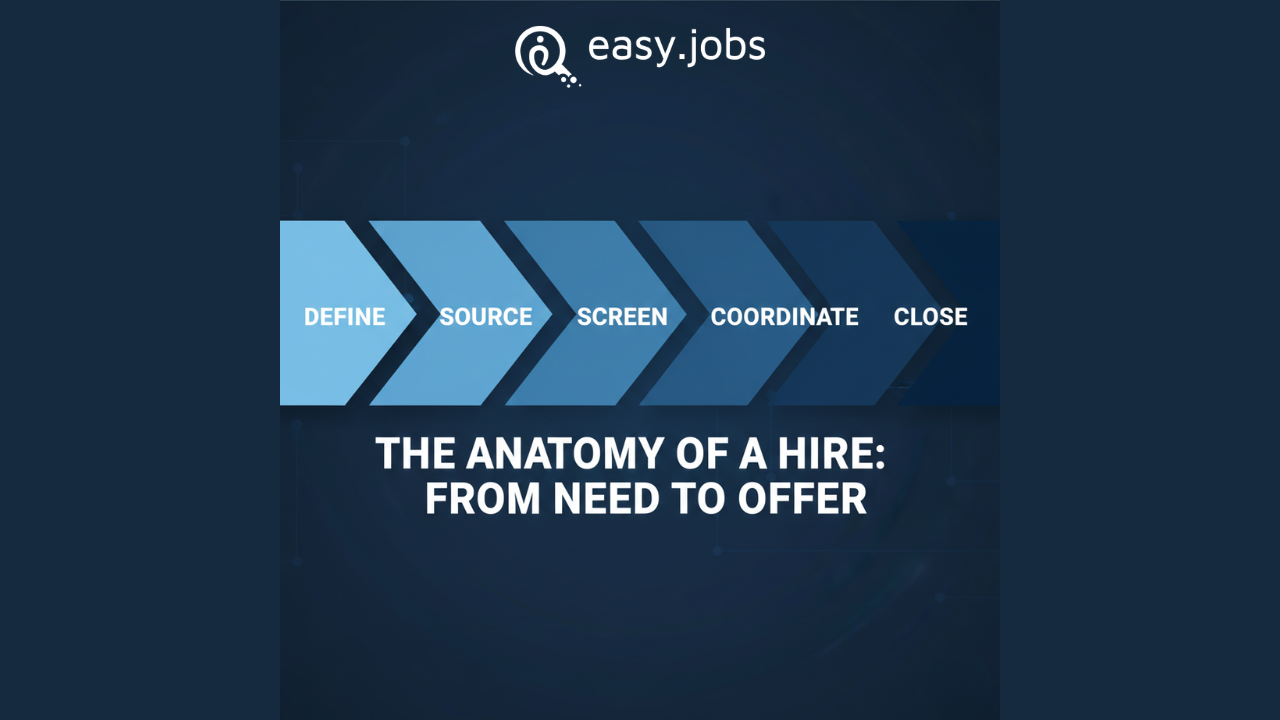
While job titles and industries differ, the core responsibilities remain mostly the same. Once you understand this process, the role becomes much easier to picture and evaluate.
Step 1: Understanding the Hiring Need
Every hiring process starts with clarity. A recruiter first works with a hiring manager or client to understand what kind of person is needed, why the role is open and how urgent it is. This step sets the direction for everything that follows.
If expectations are unclear at this stage, problems appear later. Good recruiters ask questions early so they do not waste time searching for the wrong profiles.
Step 2: Finding the Right Candidates
Once the role is clear, the recruiter starts sourcing candidates. This means actively searching for people instead of waiting for applications. Recruiters use job boards, professional networks, databases and referrals to build a shortlist.
Sourcing requires patience and attention to detail. You are not just looking for skills, you are looking for people who may realistically be interested and available.
Step 3: Talking to And Screening Candidates
After finding potential candidates, recruiters reach out and start conversations. These calls or interviews help confirm skills, experience, motivation and availability. This step saves time for hiring managers by filtering early.
Strong communication matters here. Candidates often decide how they feel about a company based on their interaction with the recruiter.
Step 4: Coordinating Interviews And Feedback
Recruiters act as the main point of coordination. They schedule interviews, share feedback and keep both candidates and hiring managers informed. This step requires follow-ups and clear communication to avoid delays.
When processes move slowly, recruiters help keep momentum so candidates do not lose interest.
Step 5: Offer, Closure And Follow-Up
Once a candidate is selected, the recruiter supports the offer stage. This may include explaining the offer, handling questions and helping both sides reach an agreement. Even after acceptance, recruiters often stay involved until the candidate joins.
This final stage is critical because drop-outs can still happen. Attention and reassurance make a big difference here.
Agency vs In-House: How the Work Changes
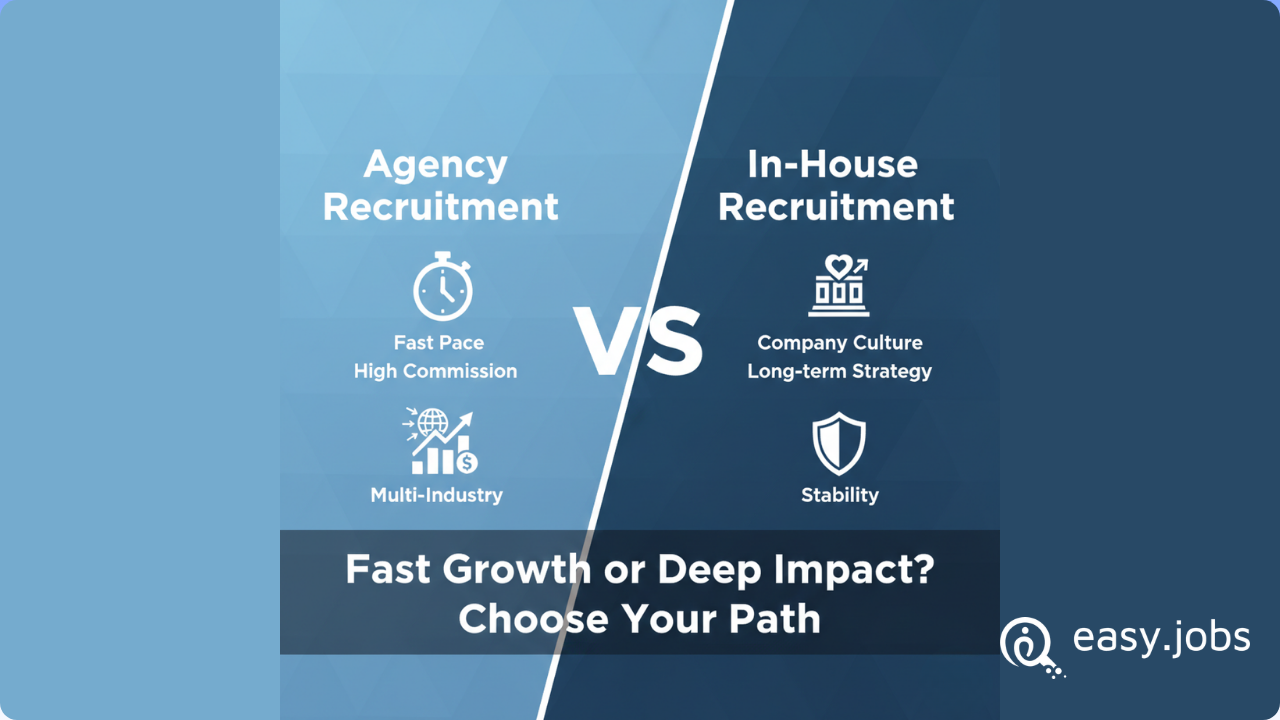
While the steps stay similar, the focus can change depending on where you work. Agency recruiters usually handle multiple clients and roles at once, with stronger performance targets. In-house recruiters focus on one company and work closely with internal teams.
Understanding this difference helps you choose the environment that suits your pace and goals.
Types of Recruiters And Career Specializations
Once you understand how recruiting works, the next step is knowing that not all recruiters do the same kind of work. Recruitment has different roles and specializations, each with its own pace, skills and expectations. Knowing these options helps you avoid choosing a path too early or ending up in a role that does not suit you.
Most recruiters start as generalists and specialize later. This gives them a strong foundation before moving into more focused roles.
Generalist Recruiter
A generalist recruiter works on a wide range of roles instead of focusing on one skill set or industry. You may recruit for sales, operations, support or junior technical positions at the same time. This role is common in agencies and early-career in-house positions.
Generalist roles are ideal for beginners because they build broad exposure. You learn how different roles work, how hiring managers think and how recruitment processes vary across teams.
Technical Recruiter
Technical recruiters focus on hiring for technology-related roles such as software developers, engineers and IT specialists. These roles often require a deeper understanding of technical skills and terminology.
While technical recruiting can be more challenging, it is also highly valued. Many recruiters move into this specialization after gaining general recruiting experience, once they feel confident handling complex roles.
Executive And Senior-Level Recruiter
Executive recruiters focus on senior leadership and highly specialized roles. Hiring cycles are longer, relationships matter more and confidentiality is critical in this area of recruitment.
This path usually comes later in a recruiter’s career. Strong communication, trust-building and market knowledge are essential before moving into executive search.
Volume or High-Scale Recruiter
Volume recruiters handle large numbers of similar roles, often in industries like retail, customer support or seasonal hiring. Speed and process efficiency are more important than deep specialization.
This role suits people who enjoy structure, systems and fast execution. It also builds strong operational and coordination skills.
When Should You Specialize?
Specializing too early can limit your growth. In the early stages, it is more valuable to understand how recruitment works across roles and industries. This foundation makes later specialization easier and more effective.
Once you have consistent results and clarity about your strengths, choosing a specialization becomes a strategic decision rather than a guess.
How to Become a Recruiter (All Entry Paths Explained)
There is no single “correct” way to start a career in recruitment. People enter this field from many different backgrounds and that flexibility is one of its biggest advantages. What matters most is how you position yourself and which entry path matches your current experience.
In this section, we will look at the most common ways people become recruiters and what each path usually looks like in real life.
Starting Without a Degree or Prior Experience
Many recruiters begin their careers without a specific degree or HR background. Agencies often hire entry-level recruiters because they value attitude, communication and willingness to learn more than formal education.
These roles usually focus on sourcing candidates, coordinating interviews and supporting senior recruiters. While the learning curve can be steep, the exposure is fast and practical, which helps beginners build confidence quickly.
Transitioning Into Recruitment as a Career Switcher
Recruitment attracts people from sales, customer support, operations and marketing roles. These backgrounds are valuable because they develop communication, persuasion and organization skills.
Career switchers often perform well because they already understand pressure, targets or client-facing work. The key is to clearly explain how your past experience connects to recruiting instead of starting from zero.
Entry Path for HR or Business Graduates
Graduates in HR, business or psychology often enter recruitment through in-house talent acquisition or coordinator roles. These positions provide exposure to structured hiring processes and internal stakeholders.
While progress may feel slower at first compared to agency roles, this path builds strong foundations in compliance, employer branding and long-term workforce planning.
Choosing the Right Entry Environment
Each entry path comes with trade-offs. Agency roles usually offer faster learning and performance-driven growth, while in-house roles offer stability and deeper business understanding.
Choosing the right environment early helps you stay motivated and grow consistently instead of feeling stuck or overwhelmed.
Step-by-Step Recruiter Career Roadmap (Beginner to Expert)
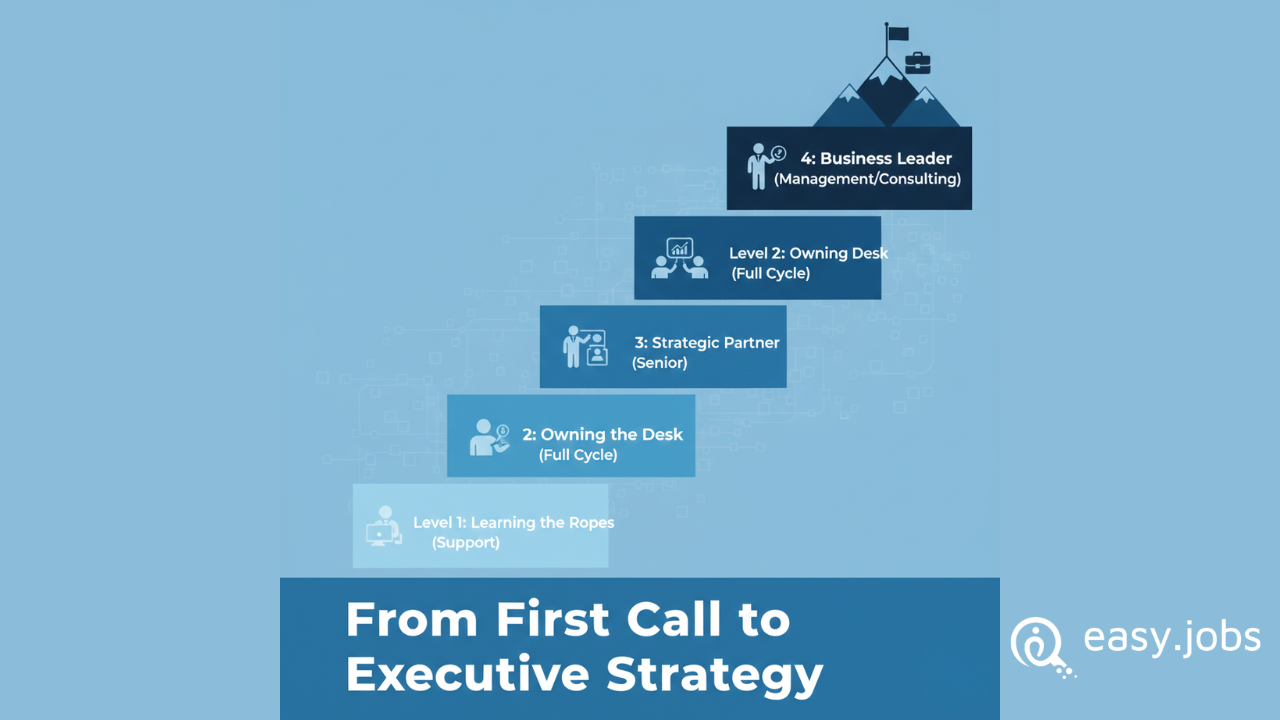
Recruitment is a career where growth happens in stages. Each stage comes with different expectations, skills and challenges. Understanding this roadmap helps you focus on the right things at the right time instead of trying to master everything at once.
This section breaks down what recruiters typically work on as they move from beginners to experienced professionals.
Stage 1: Getting Your First Recruiting Role
At the beginning, the main goal is learning how recruitment works in real situations. You focus on understanding roles, candidates and processes rather than perfect performance. Curiosity and consistency matter more than results at this stage.
New recruiters usually spend time sourcing candidates, scheduling interviews and supporting senior team members. This is where you build your foundation and learn the basics through daily practice.
Stage 2: Surviving And Succeeding in the First Year
Once you understand the basics, the focus shifts to handling responsibility. You start managing your own roles, communicating more independently and working toward clear targets or expectations.
This stage can feel challenging because mistakes are common. However, it is also where learning accelerates. Recruiters who ask questions, track feedback and reflect on their work improve much faster.
Stage 3: Becoming a High-Performing Recruiter
At this stage, recruiters become more confident and strategic. You begin understanding hiring trends, advising hiring managers and anticipating challenges before they arise. Your performance becomes more consistent and predictable.
High-performing recruiters rely less on trial and error and more on structured methods. They manage time better, communicate more clearly and build trust with both candidates and stakeholders.
Stage 4: Senior, Lead And Management Roles
With experience, recruiters often choose between staying hands-on or moving into leadership. Senior recruiters handle complex roles, while managers focus on team performance, coaching and strategy.
Both paths require strong judgment and communication. Growth at this level depends on influence, not just individual results.
Thinking Long Term
This roadmap is not fixed and progress varies from person to person. What matters is steady improvement and clarity about where you want to go.
Core Recruiter Skills You Must Build (Beginner to Advanced)
Recruitment is a skill-based profession. While tools and titles may change, your success depends largely on the skills you build over time. The good news is that these skills are learnable and most recruiters develop them gradually through practice.
Instead of trying to master everything at once, it is more effective to understand which skills matter most at each stage of your career.
Foundational Skills for New Recruiters
At the beginning, the focus is on clear communication and basic evaluation. Recruiters need to listen carefully, ask the right questions and explain roles in a simple and honest way. These skills help build trust with both candidates and hiring managers.
Learning how to review resumes, understand job requirements and manage follow-ups is also essential. Strong foundations reduce mistakes and make later stages easier to handle.
Advanced Skills That Improve Performance
As you gain experience, sourcing and decision-making become more important. Recruiters learn how to actively search for candidates, assess motivation and manage multiple processes at once.
Negotiation and influence also develop at this stage. You begin balancing candidate expectations with business needs while keeping the hiring process moving forward.
Strategic And Leadership Skills
At senior levels, recruitment becomes more advisory. Recruiters contribute to hiring strategy, workforce planning and long-term talent decisions. Communication shifts from task execution to guidance and leadership.
These skills take time to develop, but they are what separate good recruiters from trusted hiring partners.
Skills Grow with Practice
No recruiter starts with all these skills. What matters is steady improvement and willingness to learn from experience. Each role you work on helps sharpen your judgment and confidence.
Recruiting Tools, ATS And AI (What You Really Need)
Modern recruitment relies heavily on tools, but tools alone do not make someone a good recruiter. They are meant to support your work, not replace judgment, communication or experience. Understanding what each tool is used for helps you work smarter instead of feeling overwhelmed.
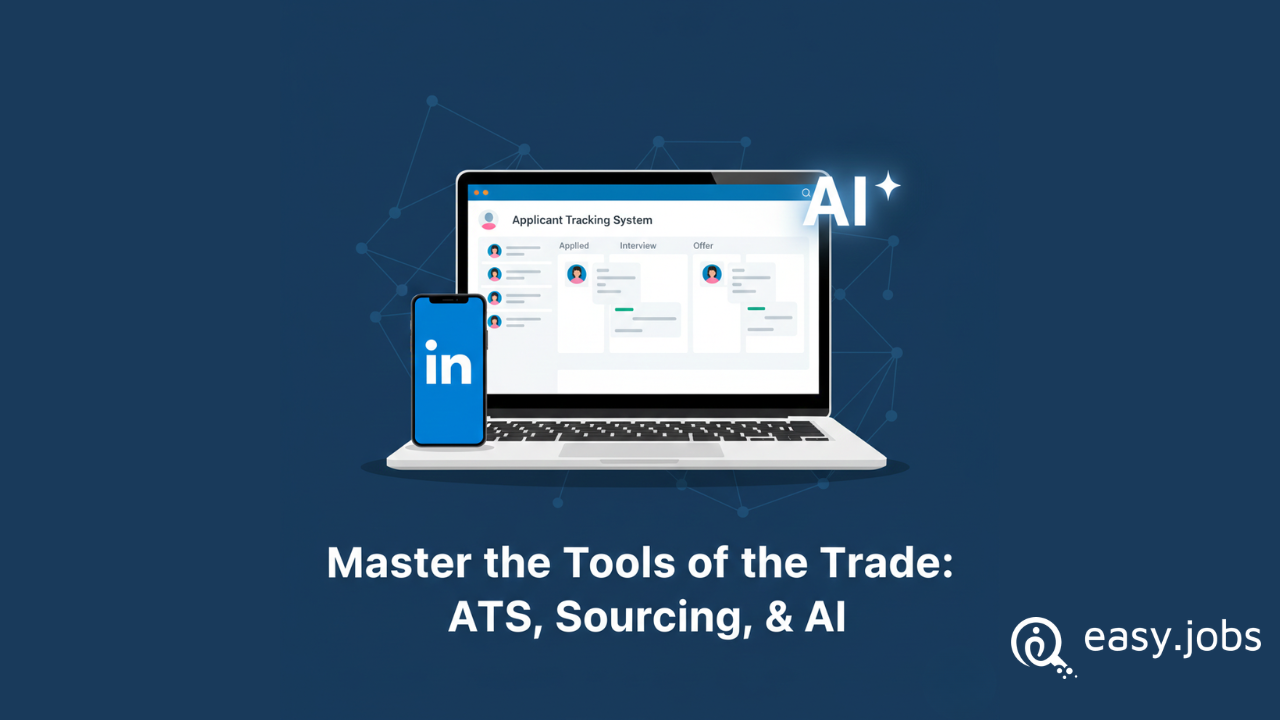
Many beginners think they need to master every platform at once. In reality, it is more important to understand why tools are used and when to use them.
Applicant Tracking Systems (ATS)
An ATS is the system recruiters use to manage candidates throughout the hiring process. It stores resumes, tracks interview stages and keeps communication organized. Most companies use some form of ATS, especially in-house teams.
For recruiters, the ATS becomes the central workspace. Keeping it updated and accurate is important because hiring managers and teams rely on this information to make decisions and plan next steps.
Sourcing And Candidate Search Tools
Sourcing tools help recruiters actively find candidates instead of waiting for applications. These tools are commonly used in agency and technical recruiting but are useful in most roles.
Good sourcing is not about sending mass messages. It is about identifying suitable profiles, understanding what may motivate them and reaching out with relevance and respect.
Communication And Scheduling Tools
Recruiters spend a lot of time coordinating conversations. Email tools, calendars and scheduling software help reduce back-and-forth and keep processes moving smoothly.
Clear and timely communication improves candidate experience and prevents drop-offs. Even simple tools, when used well, can make a big difference.
Using AI in Recruitment (with Care)
AI tools are increasingly used to help with resume screening, candidate matching and message drafting. These tools can save time, especially in high-volume hiring.
However, AI should support decisions, not make them alone. Recruiters still need to review, think critically and ensure fairness. Understanding the limits of AI is just as important as using it.
Tools Do not Replace Fundamentals
The most successful recruiters use tools as support, not shortcuts. Strong communication, organization and judgment always matter more than software.
Once you understand the fundamentals, tools become powerful helpers instead of distractions.
Common Challenges Recruiters Face (And How to Handle Them)
Every recruiter, new or experienced, faces challenges. These challenges are a normal part of the role, not a sign that you are failing. What separates successful recruiters from frustrated ones is how they respond and adapt over time.
Understanding these issues early helps you prepare mentally and build habits that protect both performance and motivation.
Candidate Drop-Offs And Ghosting
One of the most common frustrations in recruitment is candidates suddenly disappearing. They may stop replying, withdraw after interviews or decline offers at the last moment. This can feel discouraging, especially after investing time and effort.
Experienced recruiters reduce this risk by staying in regular contact, setting clear expectations and checking motivation early. While drop-offs can not be eliminated completely, good communication helps reduce surprises.
Unrealistic Or Changing Hiring Manager Expectations
Recruiters often work with hiring managers who have unclear or shifting expectations. Requirements may change mid-process, timelines may tighten or feedback may be delayed. This can slow progress and create tension.
The key is early alignment and ongoing updates. Recruiters who ask clear questions and manage expectations upfront usually face fewer issues later in the process.
High Workload And Performance Pressure
Recruitment is often measured by numbers, roles filled, interviews scheduled or time to hire. Managing multiple roles at once can feel overwhelming, especially during busy periods.
Strong prioritization and time management help here. Breaking work into clear daily tasks and focusing on high-impact activities makes the workload more manageable.
Dealing with Stress And Burnout
Because recruitment involves people, pressure and deadlines, burnout can happen if boundaries are not managed. Long hours, constant follow-ups and emotional ups and downs can take a toll.
Healthy recruiters learn to pace themselves, take breaks and separate outcomes from self-worth. Sustainable performance matters more than short-term intensity.
Challenges Are Part of the Learning Curve
No recruiter avoids these challenges completely. Each situation helps you learn what works, what does not and how to improve your approach.
Facing these realities with the right mindset makes recruitment a skill-building career rather than a draining one.
Recruiter Salary, Growth And Long-Term Career Prospects
One of the most common questions about recruitment is whether it offers long-term growth and financial stability. The answer depends on where you work, how you perform and the career path you choose. Recruitment does not have a single income model, which means growth can look very different from person to person.
Understanding how salary and progression usually work helps you set realistic expectations and plan your career more confidently.
Entry-Level Recruiter Salary Expectations
At the beginning of a recruiting career, salaries are usually modest. Entry-level recruiters often earn a fixed base salary, sometimes combined with small performance incentives. The main value at this stage is learning, exposure and skill development rather than income.
As you gain experience and start handling roles independently, compensation usually improves. Growth often comes faster for recruiters who consistently deliver results and show reliability.
How Salary Grows with Experience
As recruiters move into mid-level and senior roles, earning potential increases. In agency environments, commission often plays a big role, meaning strong performers can earn significantly more than average. In-house roles usually offer steadier growth with fixed salary increases over time.
Salary growth is influenced by factors like specialization, industry demand, location and performance history. Recruiters who develop in-demand skills and strong relationships tend to progress faster.
Career Progression Beyond the Recruiter Role
Recruitment offers several long-term career paths. Some recruiters stay hands-on and become senior specialists, while others move into leadership roles managing teams and hiring strategies.
There are also options beyond traditional recruiting roles, such as talent operations, employer branding, consulting or independent recruiting. These paths often open up after several years of experience.
Thinking about Long-Term Stability
Recruitment can be a long-term career if approached intentionally. Those who focus on skill-building, adaptability and sustainable work habits usually find more stability and satisfaction.
Instead of chasing quick wins, recruiters who think long-term often build stronger careers with more flexibility and control.
Common Mistakes New Recruiters Make (And How to Avoid Them)
When starting out in recruitment, mistakes are normal and expected. Most new recruiters struggle not because they lack effort, but because they focus on the wrong things too early. Learning from common mistakes can save you time, stress and unnecessary frustration.
This section highlights the issues many beginners face and how to approach them more effectively.
Trying to Specialize Too Early
Many new recruiters feel pressure to choose a niche quickly, such as technical or executive recruiting. While specialization is important later, doing it too early can limit learning and confidence.
Early in your career, it is more valuable to understand how recruitment works across different roles and situations. A broad foundation makes future specialization easier and more successful.
Relying Too Much on Tools
Recruiting tools can be helpful, but beginners sometimes depend on them instead of developing judgment and communication skills. Tools can organize information, but they can not replace human understanding.
Strong recruiters focus first on conversations, clarity and follow-ups. Tools should support these skills, not replace them.
Avoiding Feedback Or Difficult Conversations
Feedback can feel uncomfortable, especially when you are new. Some recruiters avoid asking questions or discussing mistakes, which slows learning.
Growth happens faster when you seek feedback, reflect on outcomes and adjust your approach. Open communication builds trust and confidence over time.
Measuring Success the Wrong Way
New recruiters sometimes focus only on quick wins or short-term results. This can lead to rushed decisions and burnout.
Long-term success comes from consistency, learning, and relationship-building. Progress may feel slow at first, but it compounds over time.
Mistakes Are Part of Progress
Every experienced recruiter has made these mistakes. What matters is recognizing them early and learning from them.
Approaching recruitment as a learning process makes the career more manageable and rewarding.
How to Stand Out As a Recruiter (Beginner And Experienced)
In recruitment, doing the basics well is important, but standing out requires more than just completing tasks. Recruiters who grow faster and earn trust focus on how they work, not just how much they do. Small habits and consistent effort often make the biggest difference over time.
Standing out does not mean being loud or aggressive. It means being reliable, thoughtful and professional in how you interact with candidates and hiring managers.
Build Strong Communication Habits
Clear and honest communication is one of the fastest ways to stand out. Candidates remember recruiters who explain roles properly, follow up when they say they will and give transparent feedback.
Good communication also builds trust with hiring managers. When people know they can rely on your updates and judgment, they are more likely to value your input and involve you earlier in decisions.
Be Organized And Consistent
Recruitment involves many moving parts and disorganization quickly shows. Recruiters who keep notes updated, track conversations and manage timelines smoothly stand out without extra effort.
Consistency matters more than perfection. Showing up prepared, responding on time and following through builds a strong professional reputation over time.
Keep Learning from Every Role
Every hiring process teaches something new. Recruiters who reflect on what worked and what did not improve faster than those who repeat the same approach.
Learning does not always mean formal training. Paying attention to feedback, outcomes and patterns helps you develop better judgment and confidence.
Build Your Professional Presence Gradually
You do not need a large online following to stand out. Simply sharing insights, asking thoughtful questions or engaging in professional discussions helps build credibility over time.
A strong professional presence supports long-term growth and opens opportunities beyond your current role.
Standing Out Is a Long-Term Process
There is no single action that makes a recruiter stand out overnight. Growth comes from steady improvement, curiosity and reliability.
Focusing on fundamentals while continuously refining your approach sets you apart naturally.
Frequently Asked Questions about Becoming a Recruiter
When exploring a career in recruitment, it is natural to have questions and doubts. Many people hesitate not because they lack interest, but because they are unsure about what to expect. This section addresses some of the most common questions in a clear and honest way.
These answers are based on real experiences and typical career paths, not ideal scenarios.
Can I Become a Recruiter With No Experience?
Yes, many recruiters start without prior experience in hiring or HR. Entry-level roles often focus on learning the process, supporting senior recruiters and building communication skills.
What matters most is your willingness to learn, stay organized and communicate clearly. Experience develops quickly once you are actively involved in real hiring situations.
Is Recruiting a Stressful Job?
Recruitment can be stressful at times because it involves people, deadlines and performance expectations. However, stress levels vary depending on the environment, workload, and how well boundaries are managed.
Recruiters who stay organized, communicate clearly and pace themselves usually handle pressure better over time.
How Long Does It Take to Become Good at Recruiting?
Most recruiters need several months to feel comfortable and at least a year to become confident. Progress depends on exposure, feedback and how actively you reflect on your work.
There is no fixed timeline. Improvement comes gradually as you handle more roles and situations.
Is Recruitment a Long-Term Career?
Recruitment can be a long-term career for those who approach it intentionally. Many professionals grow into leadership, consulting or specialized roles over time.
The flexibility of the field allows you to shape your career based on your interests and strengths.
Thoughts to Become a Recruiter And Your Next Steps
Choosing recruitment as a career is a decision that benefits from clarity and honesty. Recruitment is not a shortcut to quick success, but it offers real opportunities for growth, learning and long-term flexibility when approached with the right mindset.
This guide on How To Become a Recruiter: Complete Career Guide (Beginner to Expert) is designed to walk you through what recruitment involves, how to enter the field, the skills you need, the challenges you may face and the paths available as you grow. The next step is turning this understanding into action.
Whether you decide to pursue recruitment or explore other paths, the most important step is making an informed choice. If recruitment aligns with your interests and working style, it can become a meaningful and lasting career. Enjoyed the read? Subscribe to our blog for more expert insights. You can also join our Facebook Community to connect with like-minded peers and never miss an update on the evolving world of recruitment.